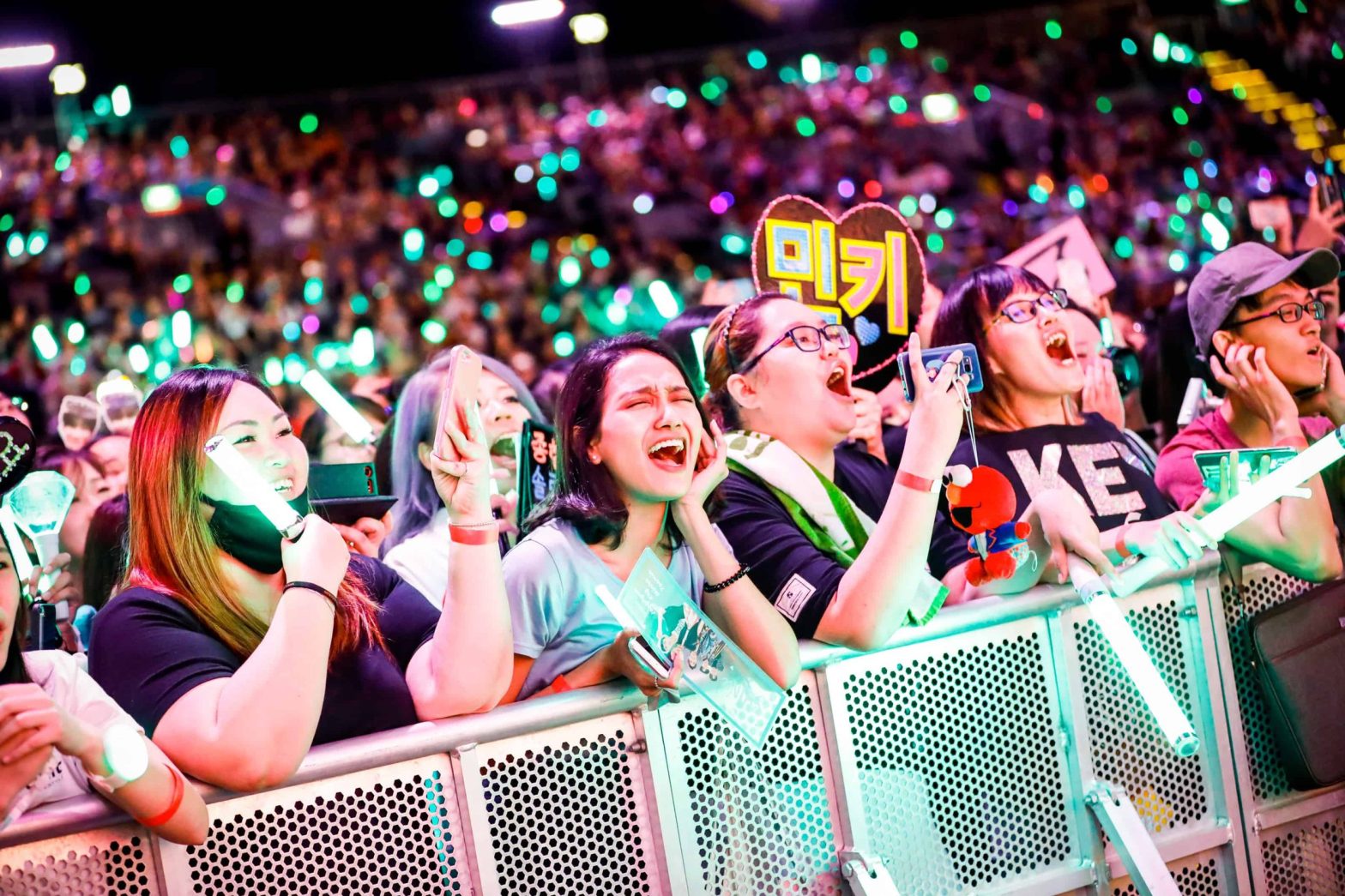
“Soft Power” – a buzz word that’s been floating around in Thailand, especially Thai politics for quite a while now. But I believe many people, myself included, think its is misunderstood. My name is Piyapong Muenprasertdee, and apart from the many things I do, I am currently a member of Thailand’s National Soft Power Strategy Committee – its Sub-committee on Music to be precise. Thus, I can say I am quite passionate about it and want to help educate/re-educate people about the subject.
What is ‘Soft Power’?
Before we go any further, let’s quickly go over the basics.
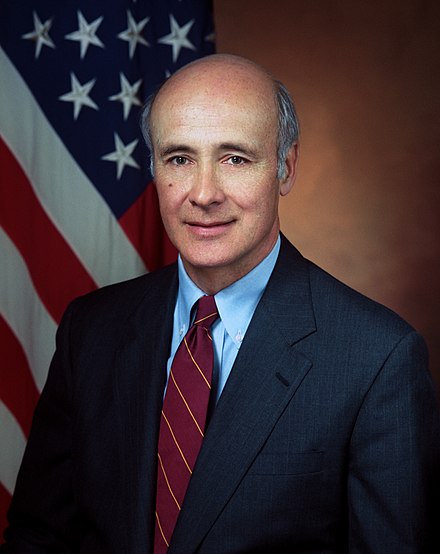
According to the person who coined the term since the late 1980’s, Joseph S. Nye, Jr. – an American political scientist, soft power means
“[The] power (of a nation, state, alliance, etc.) deriving from economic and cultural influence, rather than coercion or military strength”1 2
So, to summarize, it is a term used for describing international relations in world politics.
But for me personally, although I agree with the above description, I also think it could be condensed to a short and simple word – love.
Marketing is ‘Love’, and so is Soft Power
I was once asked by a friend who’s a genius marketing person, “Do you know that marketing can be summarized with only one word?”
I tried to answer, but didn’t get it right. She then revealed that to her, the entire subject of marketing can be summarized with the word – ‘love’.
A light bulb in my head lit up! My MBA subjects make sense now! My realization was:
- When you truly love someone, you’d want to understand them – what they want, what they need, when would they need you, how do they like their coffee, etc. And if they love you back, they’d want to do the same and also learn more about you. You’d also have meaningful conversations that lead to a better relationship.
- When a brand loves their customers, they would want to understand what their customers truly want, communicate with them, and try to offer it. Loyal customers would also be willing to learn about the brand, and use their other products.
- When you truly love someone, you’d want to give them the best things in the world. And if they love you back, they’ll also want to give back to you in the same way.
- When a brand loves their customers, they’d want to offer products of the highest quality and deliver it the best way possible. Loyal customers would also be willing to pay more if they love the brand’s products.
- When your true love is attacked or hurt, you’d want to protect them, shield them from the pain of the world, nurture them back to health. And if they love you back, they’d do the same for you.
- When a brand loves their customers, they’d want to offer the best customer experience – especially when there’s a problem. Loyal customers might help defend the brand when attacked by non-brand lovers, like how K-pop fans would defend their beloved artists no matter what.3
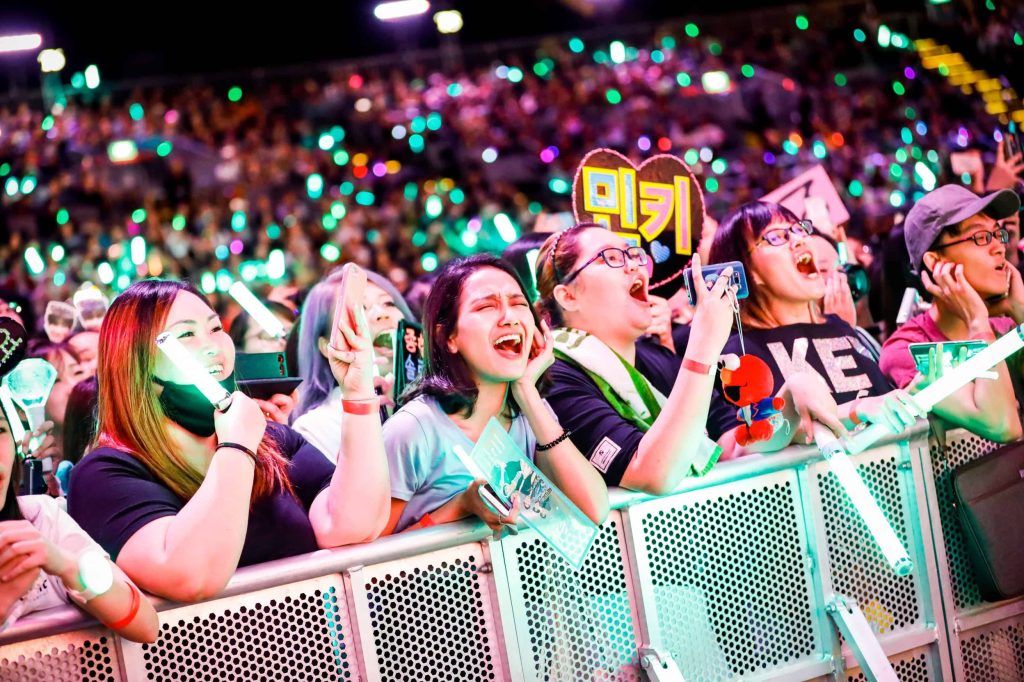
And I think ‘love’ can also explain about Soft Power with these following examples.
South Korea
South Korea is probably at the top of everyone’s mind who has somewhat an idea of what Soft Power is about.
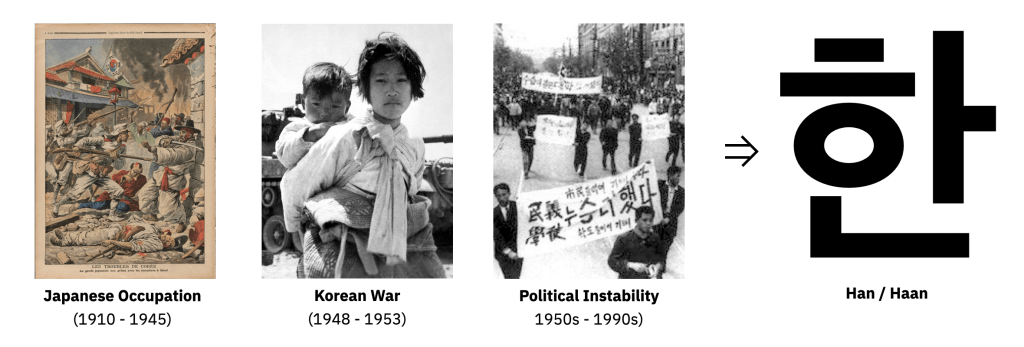
Why did the South Korean government implement this national strategy? My assumption is that before Korea was divided into North and South, it had experienced being colonized by other nations and had gone through numerous wars. The people were oppressed under autocratic leaders for a long time, making it one of the poorest countries in the region. The feelings of suffering from oppression, injustice, and the desire to escape extreme hardship became part of the South Korean identity called “Han” or “Haan”, which may have been a significant motivation for the South Korean government and its people to desperately want to rapidly develop their economy. 4
I found a quote from Euny Hong, a former senior columnist for the U.S. edition of the Financial Times and author of book “The Birth Of Korean Cool” that I think explains the South Korean government’s thought process.
:max_bytes(150000):strip_icc():format(webp)/euny_head_shot_dd__euny_hong-5bfc261946e0fb005143d2ca.jpg)
“[The South Korean government] wanted Korea of the 21st century to be like America of the 20th century where America was just considered so universally cool that anything made in America would automatically be bought.”
Euny Hong – Author of “The Birth Of Korean Cool”
In the 1980s and 1990s, the people of South Korea and many other countries friendly with the US enjoyed watching American movies and listening to American music. Being American was “cool”. Consequentially, products with a “Made in USA” label sold well.
With this insight and considering that South Korea was known for producing inexpensive electronics and cars of questionable quality, rebranding itself to look “cool” could enhance the perception of its products, leading to increased sales. The additional revenue generated could also be reinvested in R&D to make even better and more advanced products.
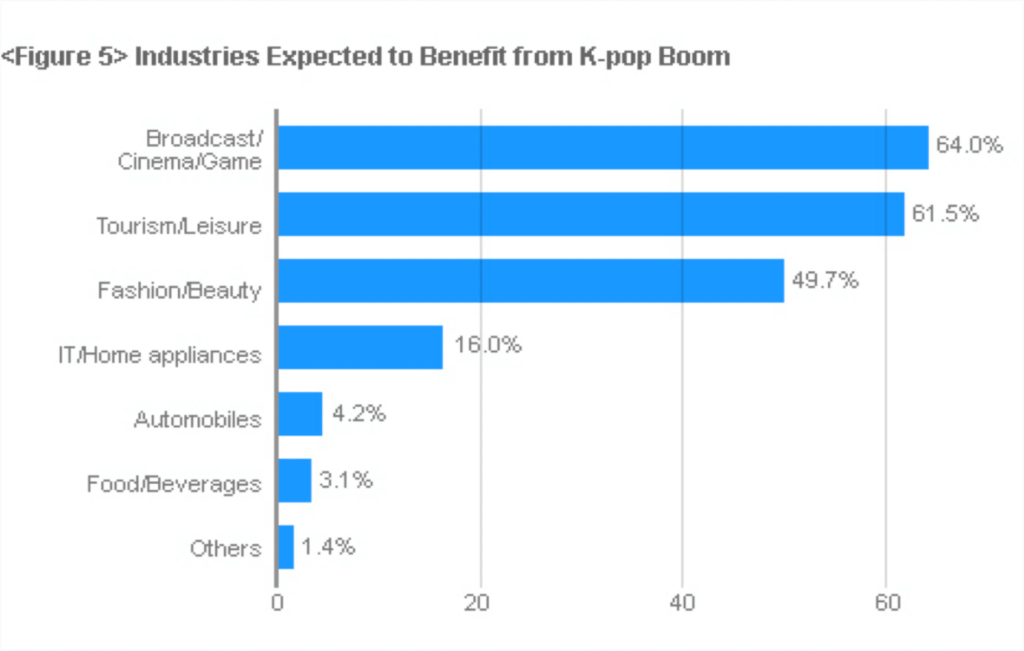
Source: Korea Focus – April 2012 The Korea Foundation Mar 2013 한국국제교류재단 page 165-167
South Korea has effectively rebranded itself by capitalizing on its pop culture, specifically through the development, production, and global export of K-pop and other K-culture content. This transformation is evident from the extensive fanbase it has garnered worldwide.
However, this was achieved through an organized system that could be called the ‘K-pop Assembly Line‘5, which generates a plethora of uniform and globally appealing idols. Unfortunately, the most effective approach to manufacturing these idols involves subjecting young, impressionable children to a rigorous training regime in arts and media, resulting in compliant, commercially viable, and easily replaceable pop stars.
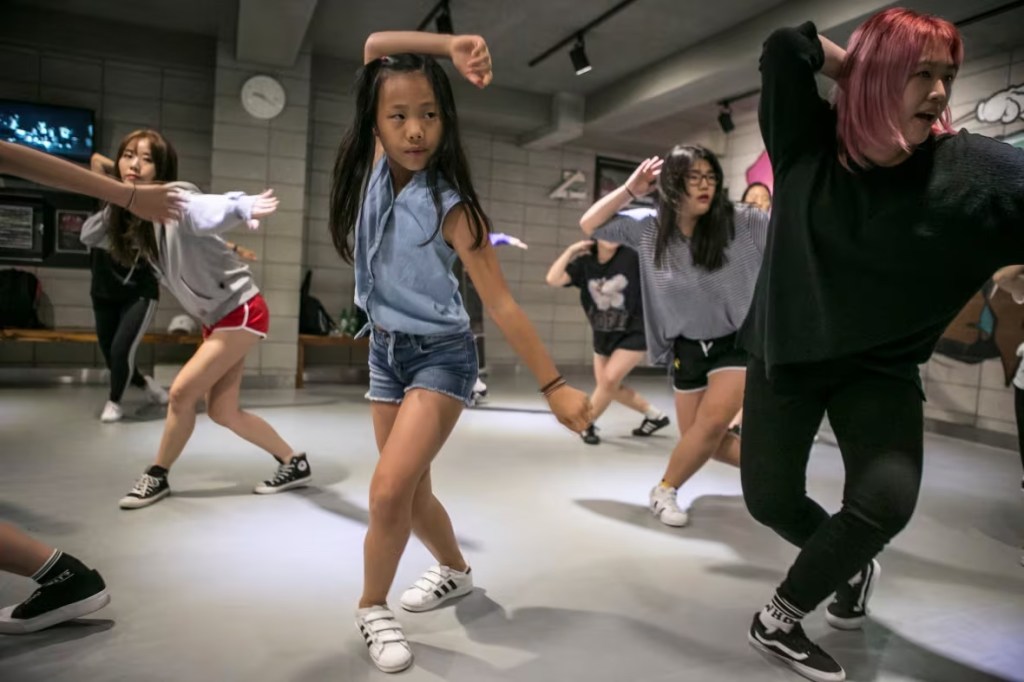
But all-in-all, the K-pop fans love their idols and are willing to pay for expensive tickets to see their show, or travel all the way to South Korea to get a glimpse of how their idols experience life.
Japan
Japan could be considered the OG of Asian Soft Power strategy exporting a plethora of content – most recognizable by kids all over the world who grew up in the 1980s and 1990s (myself included) are its cartoon animations.
But apart from exporting entertainment content, the Japanese government has generously provided financial aid to countries in need without expecting anything in return. Some speculate that this could be a way for Japan to improve its image – especially after World War II. 6
Giving is a way to show love, and people in the receiving end usually love the people who offered help when they need it the most a bit more.
Taiwan
In case you’ve been living under a rock, you’d know that the tensions between China and Taiwan have been ongoing for quite some time. Due to various geopolitical factors, not all countries officially recognize Taiwan as an independent nation.

If China were to ever attempt to take control of Taiwan, the island would undoubtedly require support from allies. This need for support can be observed through Taiwan’s policies and initiatives, such as the New Southbound Policy by the Ministry of Culture that aims to foster cultural exchanges that promote diversity and inclusivity, like this Taiwan X Thailand Musician Exchange-Taiwan Beats Showcase Night organized in 2018.
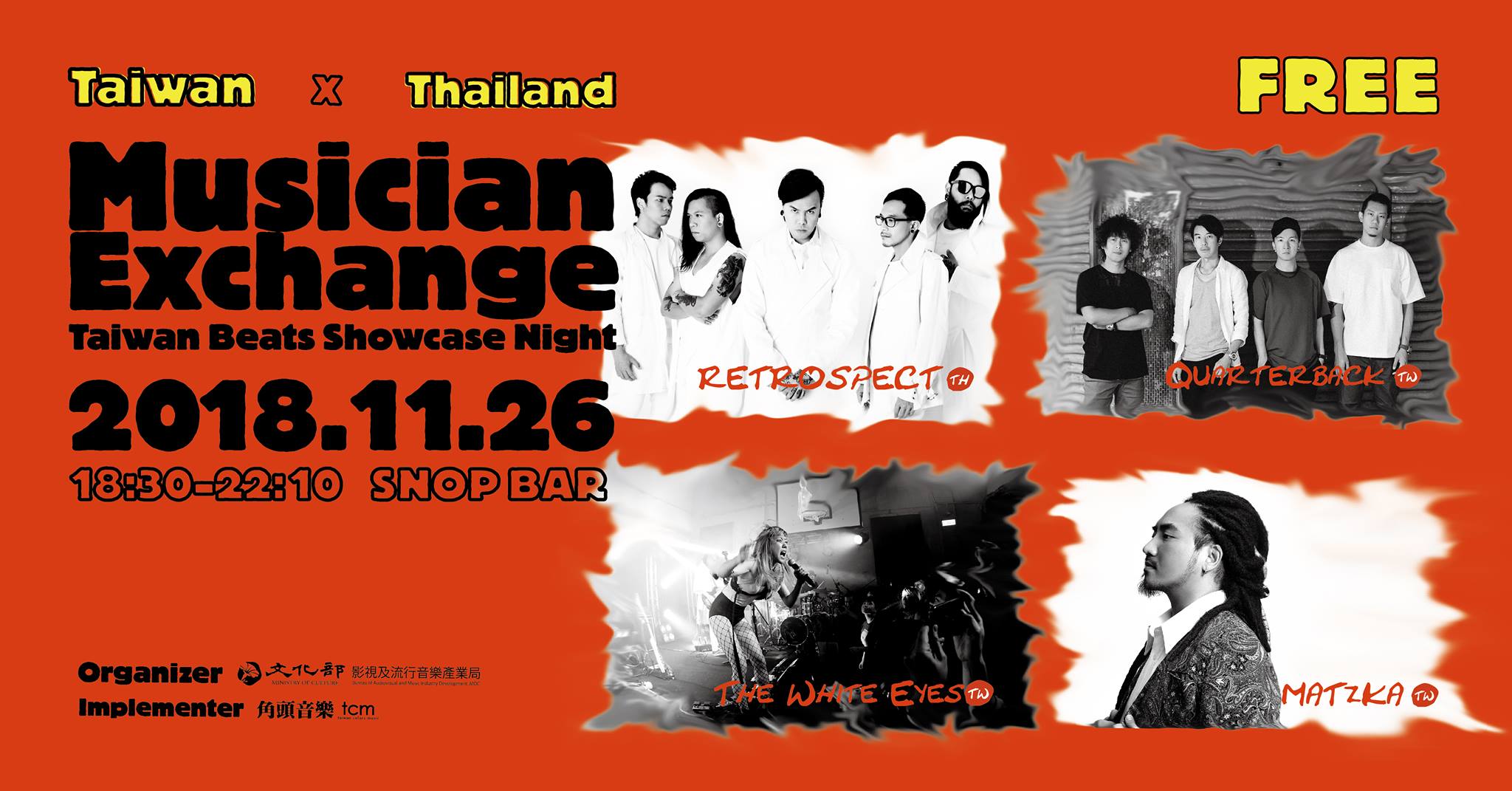
By utilizing the arts as a means of connection, Taiwan hopes to strengthen relationships with the 18 targeted countries under its flagship New Southbound Policy (NSP). These countries include Australia, Bangladesh, Bhutan, Brunei, Cambodia, India, Indonesia, Laos, Malaysia, Myanmar, Nepal, New Zealand, Pakistan, the Philippines, Singapore, Sri Lanka, Thailand, and Vietnam.7 Also, with much territorial disputes with China in the South China Sea, ASEAN members might want to side with Taiwan rather than China.8
I mean if you love your friend, you won’t want them to be bullied, right? So, friendship is also another kind of love in my book.
Conclusion
So, have I convinced you that Soft Power can be summarized with the word ‘love’? Do you agree that foreigners can love your country through entertainment content? Would you be able to imagine that their governments could support their people’s admiration of your country through diplomatic relations?
Anyway, spread peace – not war. And spread love – not hate. Soft Power is a tool that can be used for the greater good; thus, hope we wield it well with love ^_^
Sources:
- Bound to Lead: The Changing Nature of American Power, No. 80, Autumn, 1990, Twentieth Anniversary ↩︎
- Soft Power the Means to Success in World Politics – Joseph S. Nye Jr., 2004 ↩︎
- Why do fans defend K-pop idols when they do problematic things?, Quora ↩︎
- Korea under Japanese rule, Wikipedia; Korean War, Wikipedia; April Revolution, Wikipedia; Han (cultural), Wikipedia. ↩︎
- Dark depths of fame: Child exploitation in the K-pop Industry, TBS News, 5 AUG 2022 ↩︎
- Japanese foreign aid: what’s in it for Japan?, East Asia Forum, 21 JUL 2016 ↩︎
- Cultural Exchanges under the New Southbound Policy, NSP, Ministry of Culture of Taiwan ↩︎
- ASEAN is bound to disappoint China on Taiwan, Nikkei Asia, 26 AUG 2022 ↩︎
 Py Piyapong
Mind blowing indeed, i think ‘Love’ is what is missing in all the understanding and discussion about soft power (mine included). Great article!
LikeLike