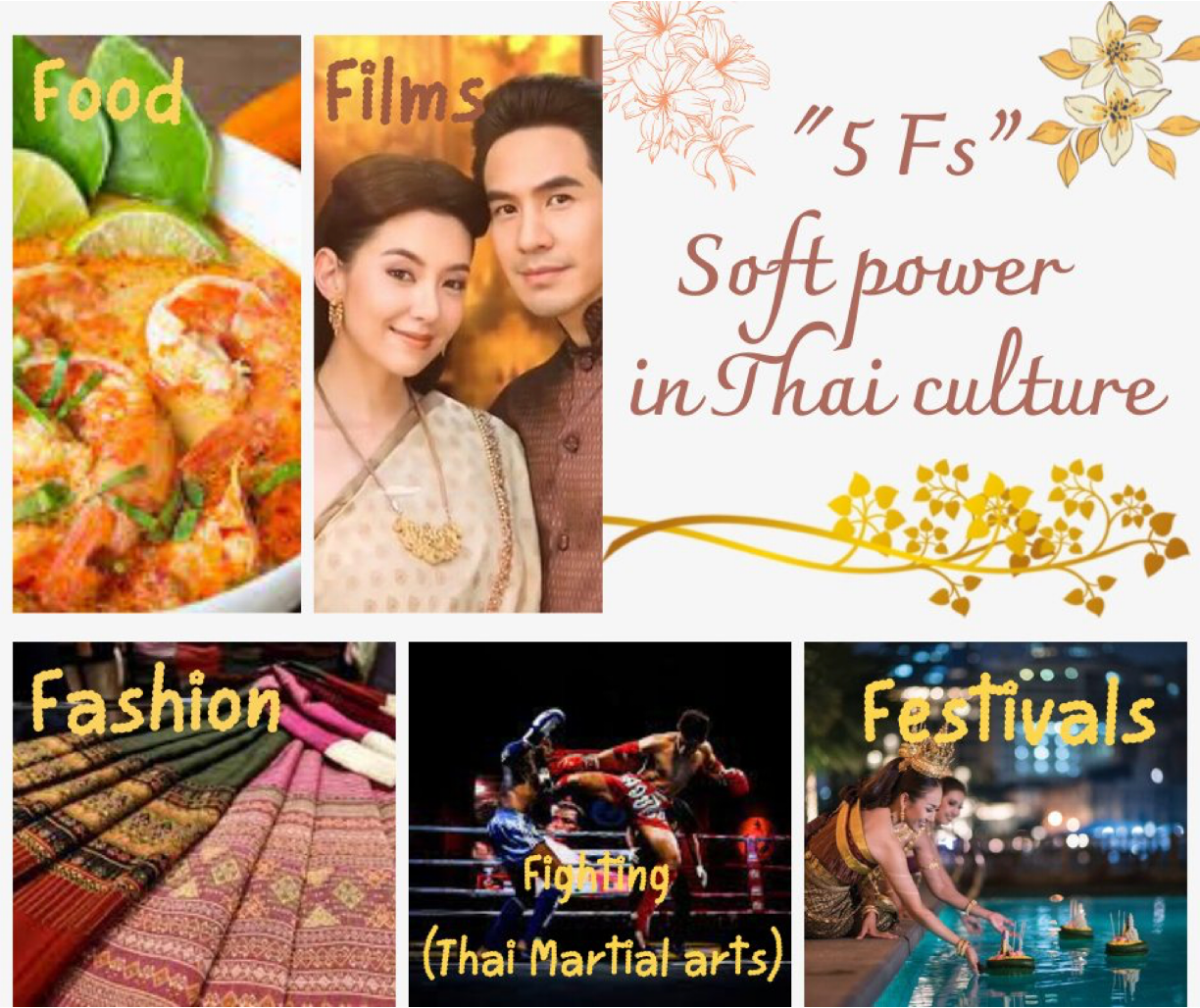
Sawasdee krub! First of all, apologies for the click-bait, LOL! But if you’re not from Thailand or haven’t been following our politics lately, you may not have heard about our 5 F’s soft power policy that is comprised of food, films, fashion, fighting (Muay Thai), and festivals.
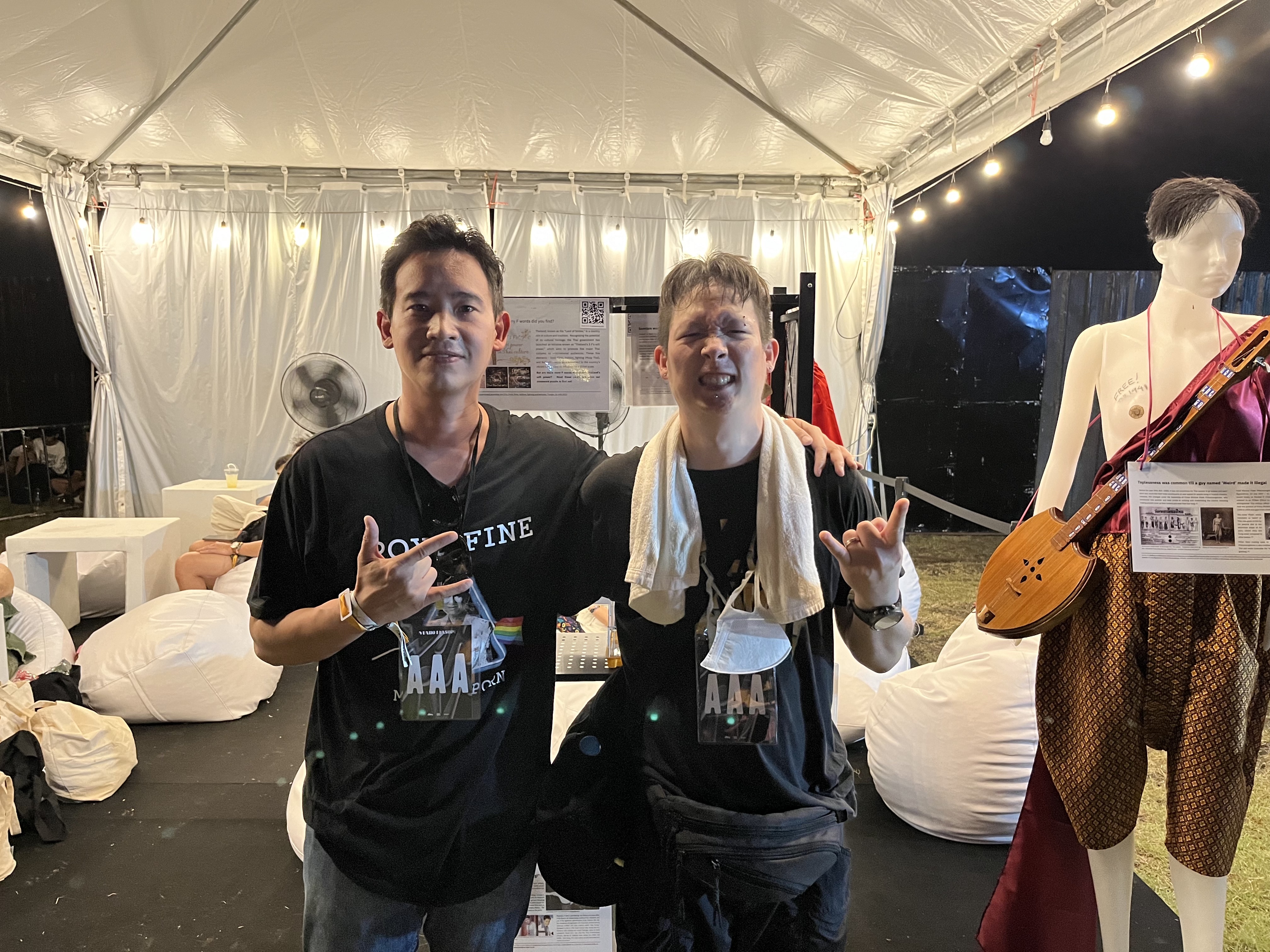
Whether you have seen my exhibition at the Lamoon Land tent at Maho Rasop Festival 2023, or stumbled upon this article somewhere online, my name is Piyapong Muenprasertdee. Apart from the many things I do, I am a member of Thailand’s National Soft Power Strategy Committee, Sub-committee on Music; thus, I am quite passionate about ‘Soft Power’ and want to help educate/re-educate people about the subject.
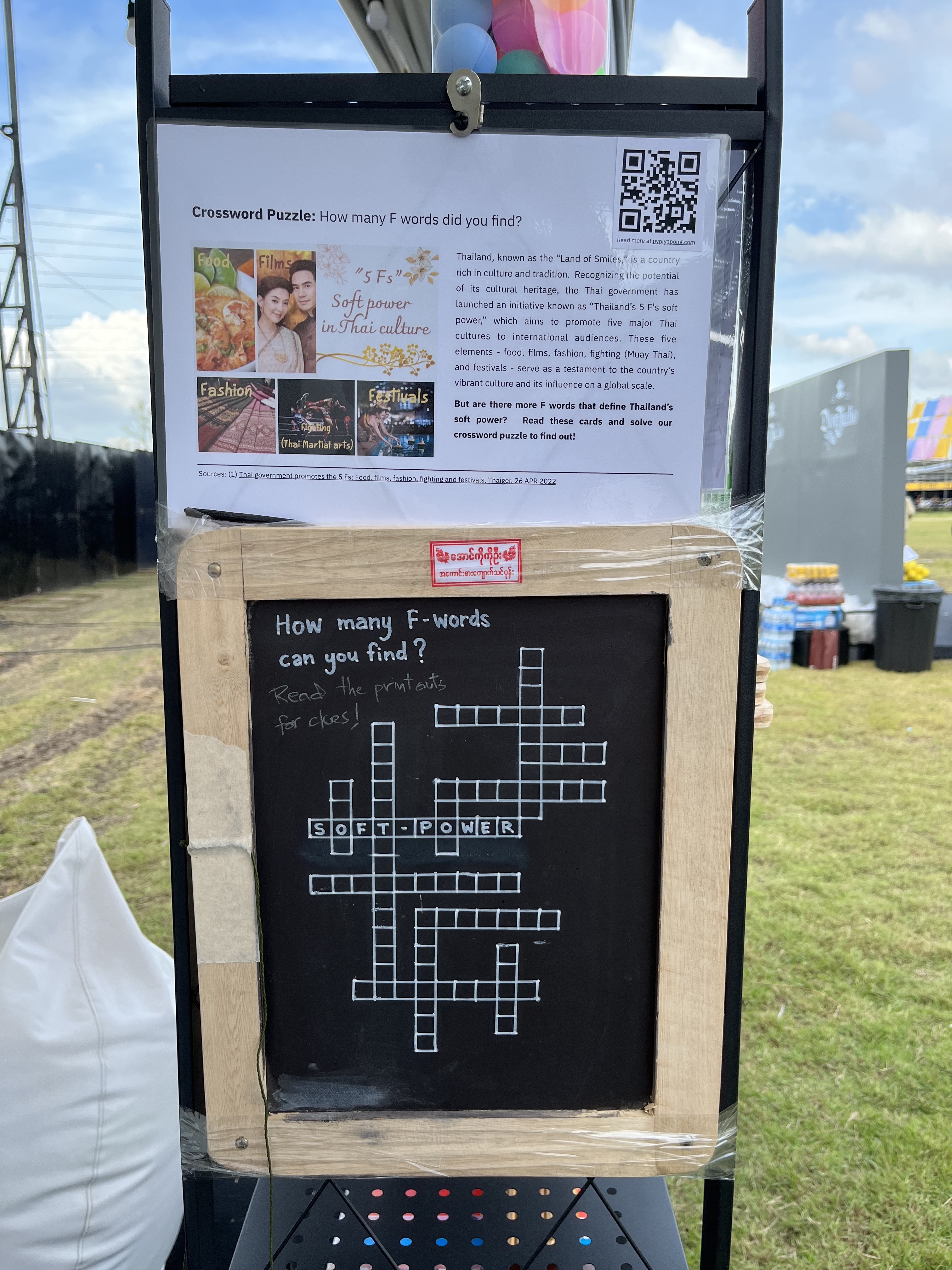
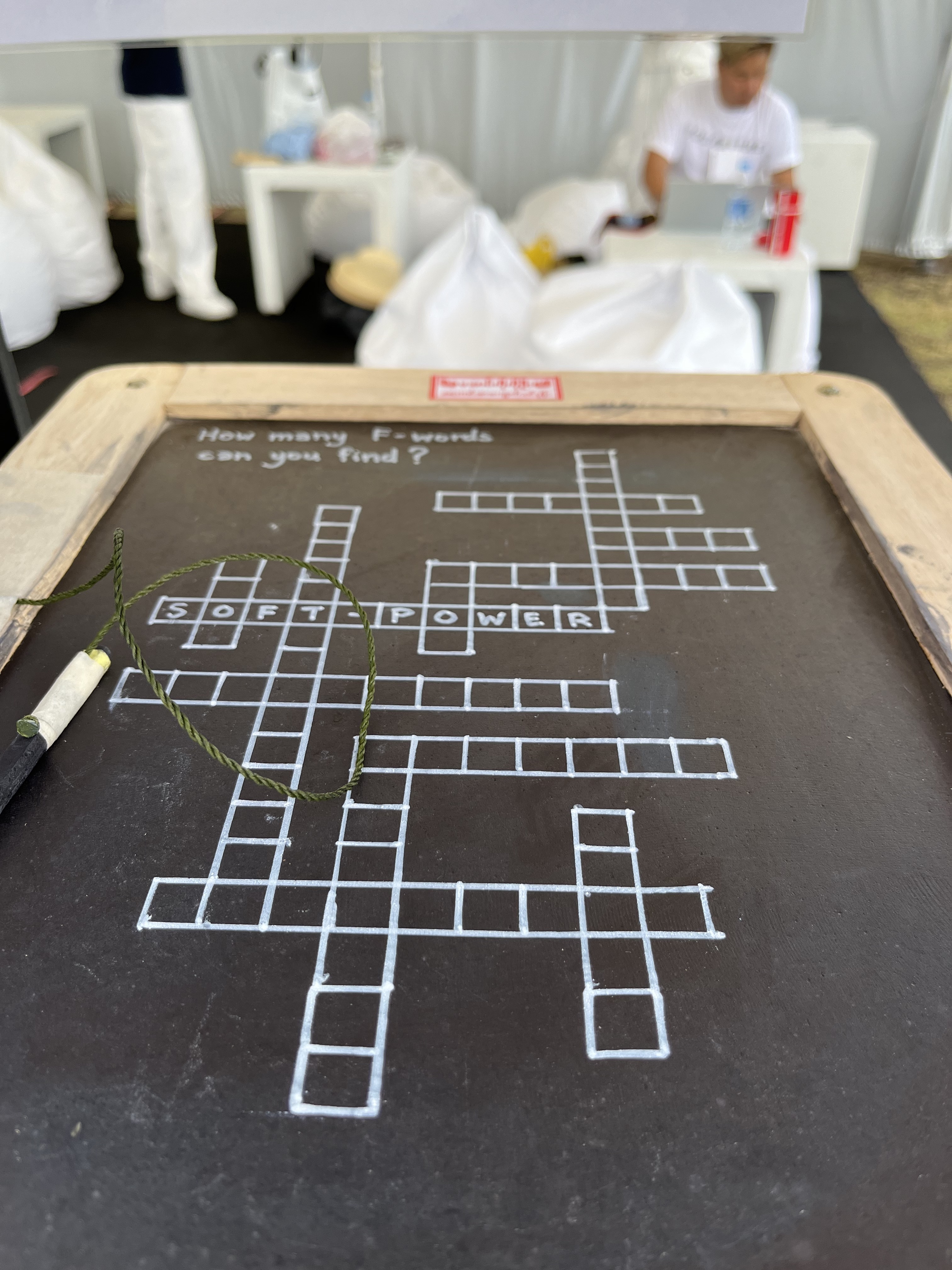
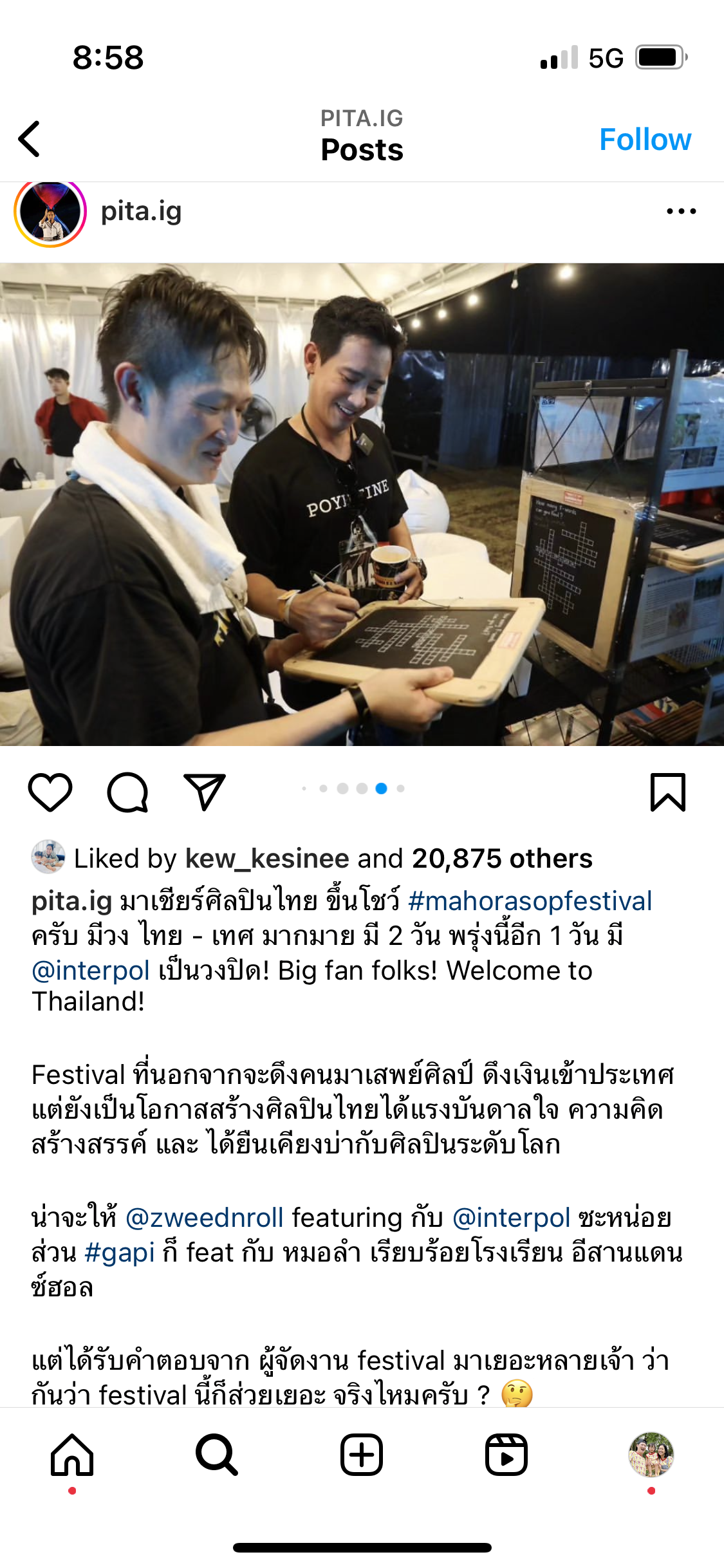
And to have some fun reading this article, why not play this crossword puzzle? ^_^

The 5 F’s of Thailand’s Soft Power
Thailand, known as the “Land of Smiles,” is a country rich in culture and tradition. Recognizing the potential of its cultural heritage, the Thai government has launched an initiative known as “Thailand’s 5 F’s soft power,” which aims to promote five major Thai cultures to international audiences, i.e. food, films, fashion, fighting (Muay Thai), and festivals.
As you can kind of guess, sometimes government campaigns, marketing terms and academic lingo like to use acronyms and a bunch of words starting with the same letters, e.g. the 4 P’s of Marketing; 3 P’s of Sustainability; SWOT analysis, and so on.
But anyway, throughout my years of working with some agencies under the previous government, it seemed like the types of cultural content that the government supports is very limited to “traditional Thai culture” that could have been due to certain policies that were previously issued. For example, written in the 20-year National Strategy (2018 – 2037) by the National Strategy Secretariat Office, Office of the National Economic and Social Development Board1 2, there were three particular chapters/issues that I felt explains the reasons to the problem:
- Chapter/Issue 2 on foreign affairs, item 3.4, the sub-plan to promote the status and role of Thailand in the global community
- The government believes that promoting the status and soft power of Thailand can be done in two main ways: 1) Thailand’s foreign policy, such as cooperation for development, and 2) through the dissemination of traditional Thai culture and identity, which leads to Thai admiration (ความนิยมไทย) believing that the direction of development should be to promote the uniqueness, identity, art, culture, and local wisdom.
- Chapter/Issue 5 on tourism
- It emphasizes that Thailand should be a world-class tourist destination believing that the strength of Thailand’s tourism is the diversity of natural resources, culture, and lifestyle, which has a unique point in terms of traditional customs, culture, Thai identity.
- Chapter/Issue 10 on the negative changing of cultural values
- It seems that the government sees that various foreign influences flowing into Thailand deteriorates the morality and ethics of Thai people; thus, believe that the way to solve this problem is to promote Thainess (ความเป็นไทย) in terms of religion, art and culture of the nation, and local wisdom.
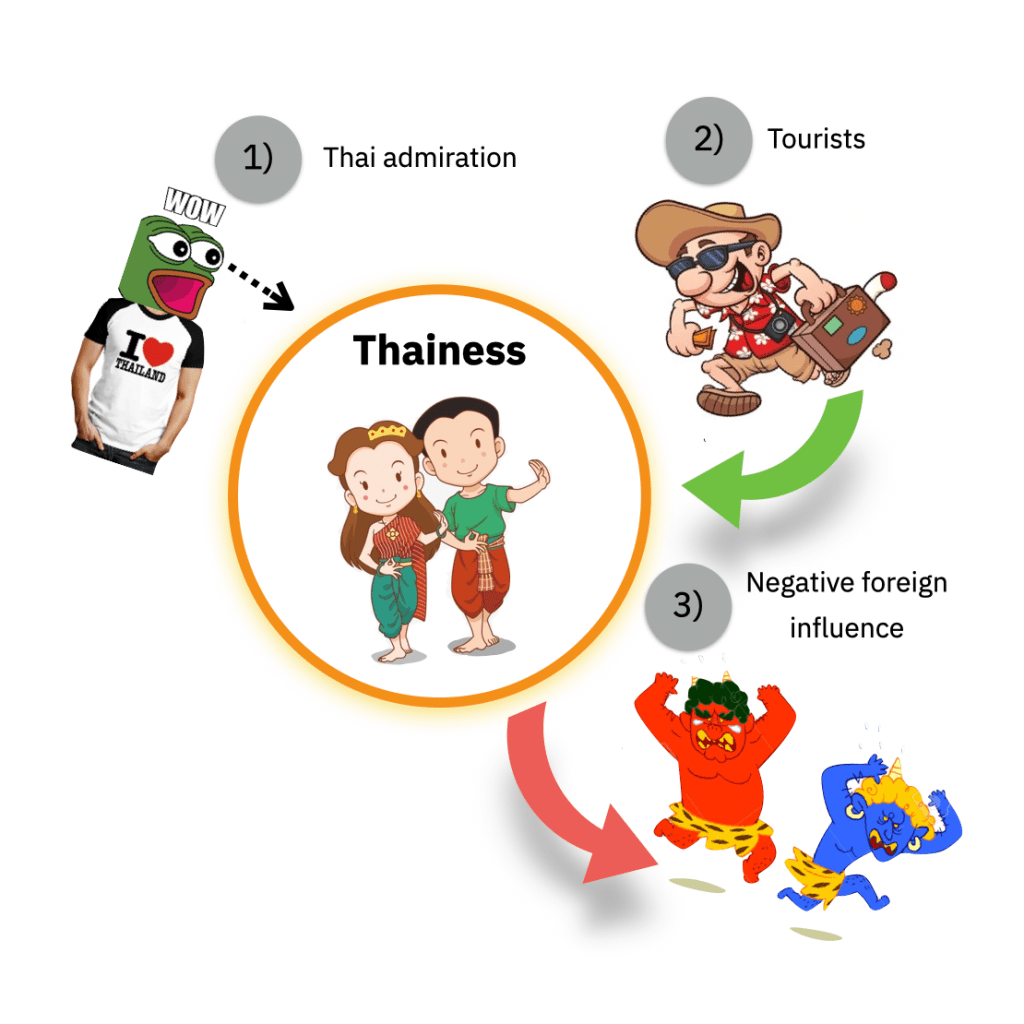
From analyzing these three chapters/issues of the national strategy, it makes me feel that the government believes strongly that Thai culture and Thainess can not only help promote Soft Power but can also help solve undesirable problems. However, after researching rigorously, I could not find any books or research information that can support this hypothesis.
Additional documents I found interesting was the Policy and Strategy for the Promotion of Contemporary Culture (2018 – 2022) 3 and the Operational Plan for the Promotion of Contemporary Culture (2022-2026), page 15 4 by the Office of Contemporary Art and Culture under the Ministry of Culture regarding the direction of contemporary cultural development. They have defined “contemporary culture” as “a culture that is a combination of traditional and new culture”. Even though the word “contemporary” actually means things that are popular in the “present day”, but it seems like the Ministry of Culture wants contemporary culture to be an extension of traditional culture only, which is the total opposite of what the South Korean Ministry of Culture does.
The Korea Creative Content Agency, or KOCCA, a South Korean government agency, is responsible for developing innovations in contemporary culture. Its development policy centers on Cultural Technology, Research and Innovation, or CT R&D, as the core of content development, with traditional cultural properties as one of the components. This contrasts with the direction of contemporary cultural development in Thailand, which definitively stipulates that it must be developed with traditional culture, interchangeable with the word “cultural capital” at the center whilst technology, research, and innovation must support it to become a “contemporary culture”.
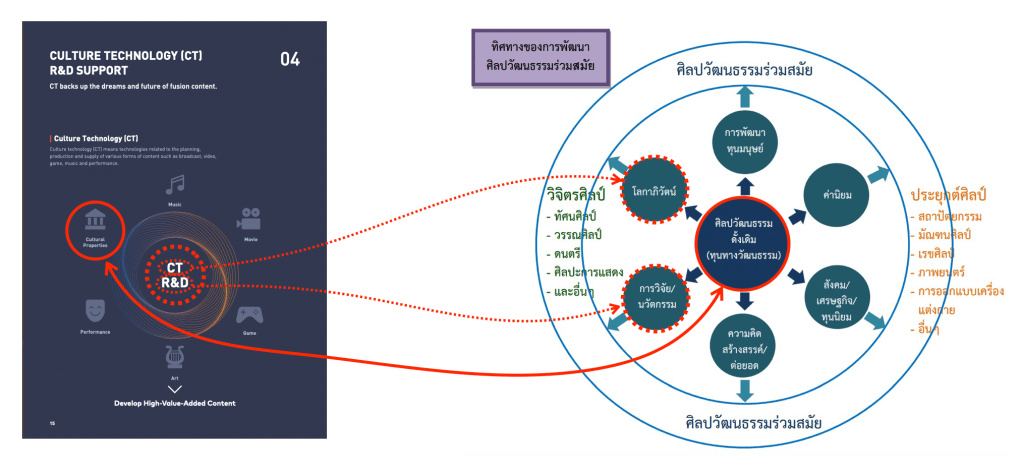
Right: From page 28 of the Policy and Strategy for the Promotion of Contemporary Culture (2018 – 2022) of Thailand
Sources:
- แผนแม่บทภายใต้ยุทธศาสตร์ชาติ (พ.ศ.2566-2580) ↩︎
- National Strategy 2018-2037 (Summary) ↩︎
- นโยบายและยุทธศาสตร์ ส่งเสริมศิลปวัฒนธรรมร่วมสมัย (พ.ศ. ๒๕๖๐ – ๒๕๖๔) ↩︎
- แผนปฏิบัติการด้านส่งเสริมศิลปวัฒนธรรมร่วมสมัย (พ.ศ. 2566-2570) หน้าที่ 15 ↩︎
11 Soft Powers Now Included!
As you might guess, there are many other ‘Soft Power’ industries not included in the 5 F’s. So, with a new government, there are now 11 industries officially recognized by the National Soft Power Strategy Committee as sources of Thailand’s Soft Power, i.e. food, sports, festivals, tourism, music, books, movies, games, arts, design, and fashion.
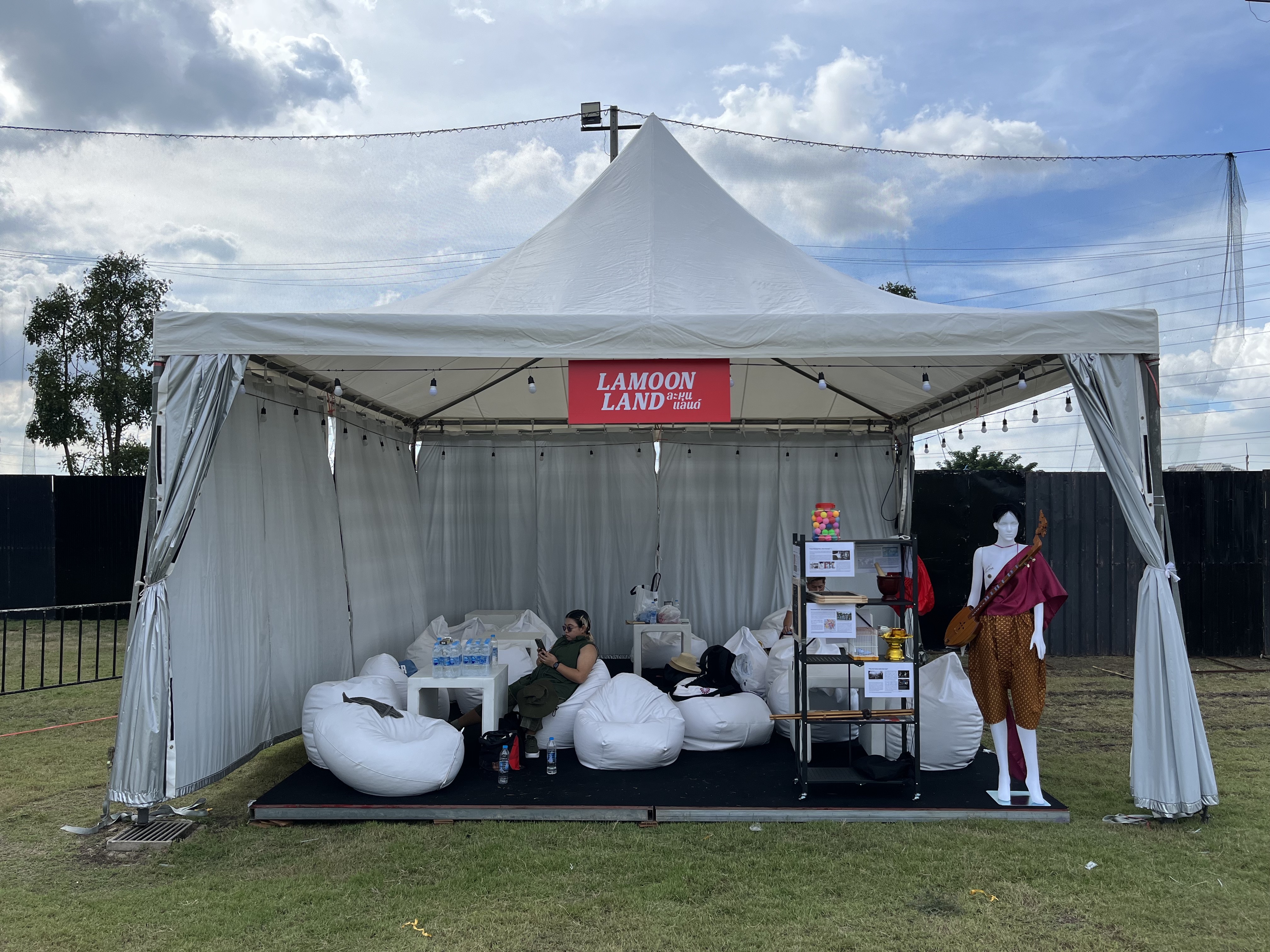
About my Art Exhibition
My personal feeling is that culture is an ever-changing and ever-evolving creature. To stop it from changing is like giving it a death sentence. Also, I feel that many people including people in the government do not understand about what Soft Power, as written in my previous article.
So, I have decided to create an art exhibition to poke fun at the F-words of Soft Power accompanied with some interesting information and fun facts hoping to educate how what we think is of Thai culture is actually a mix of other cultures, and what we think is ancient could actually be something recently created.
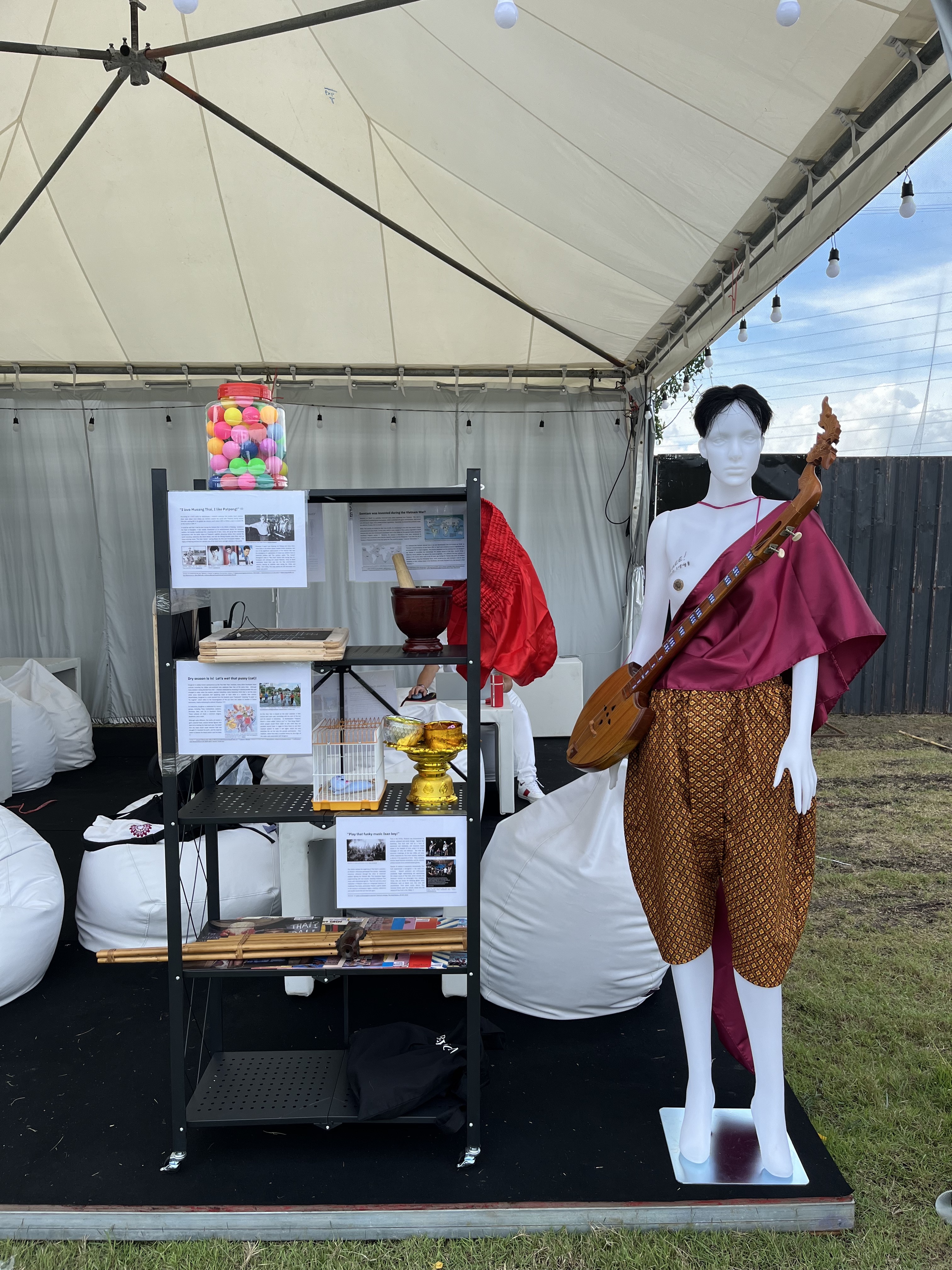
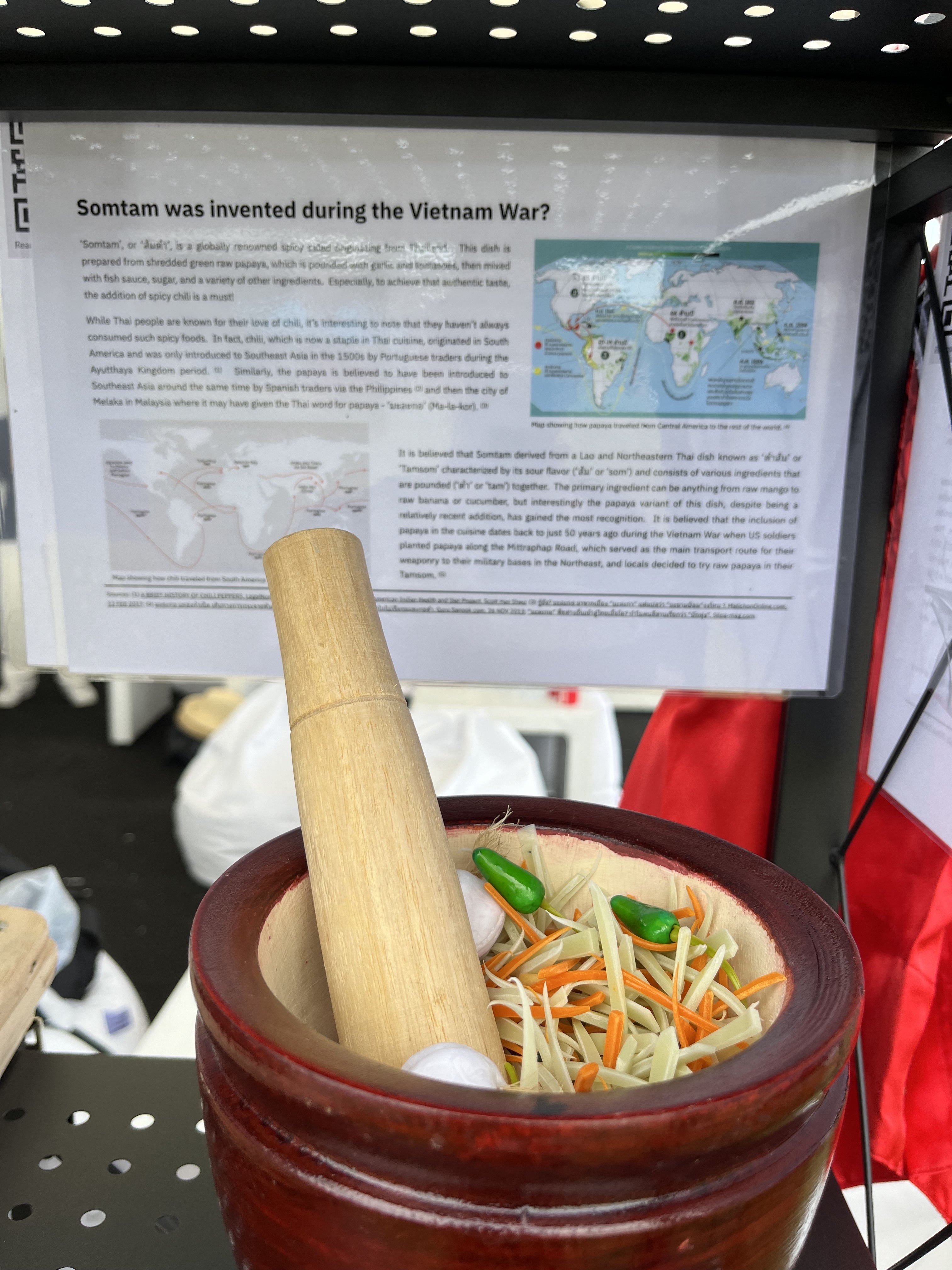
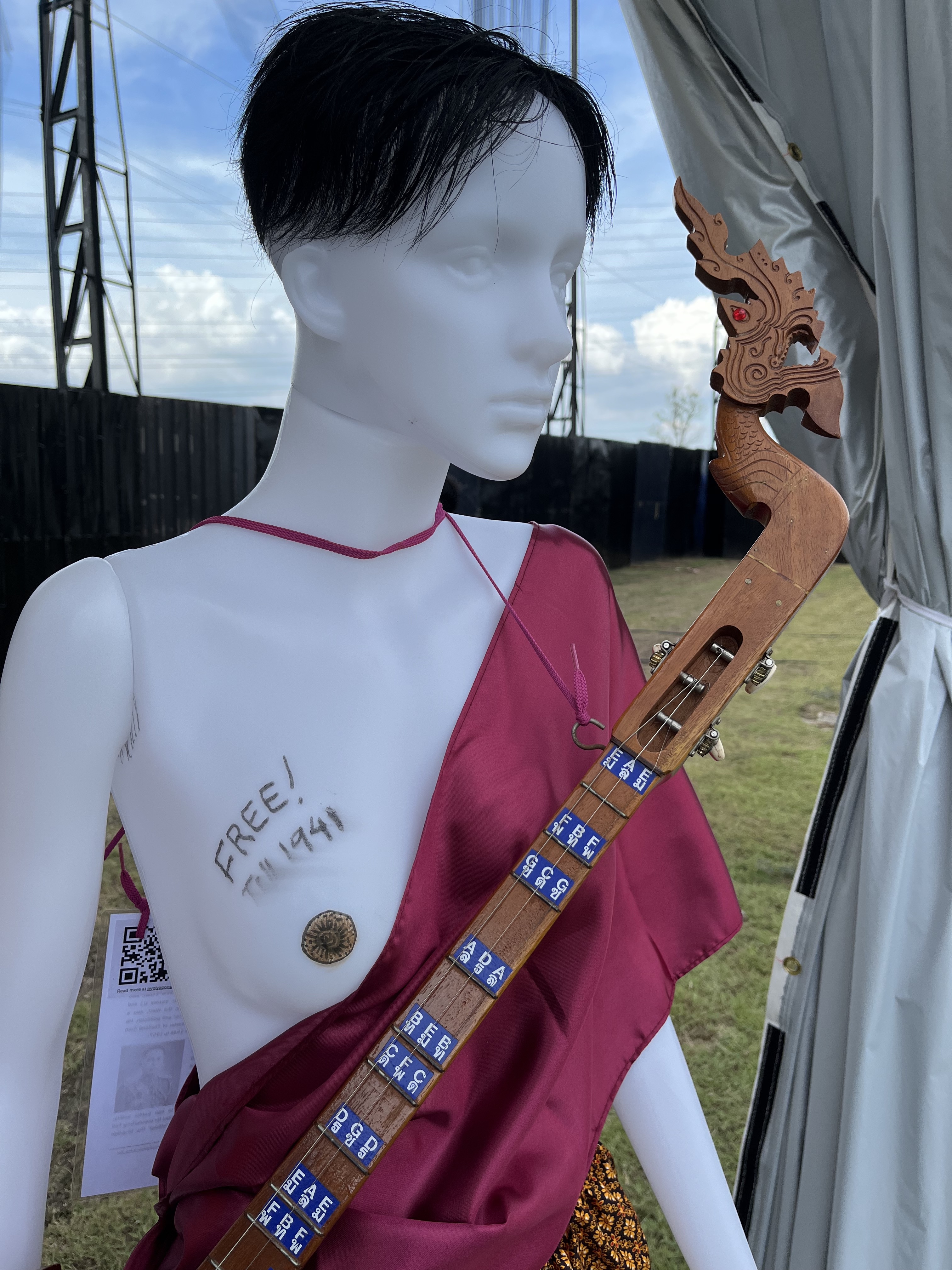
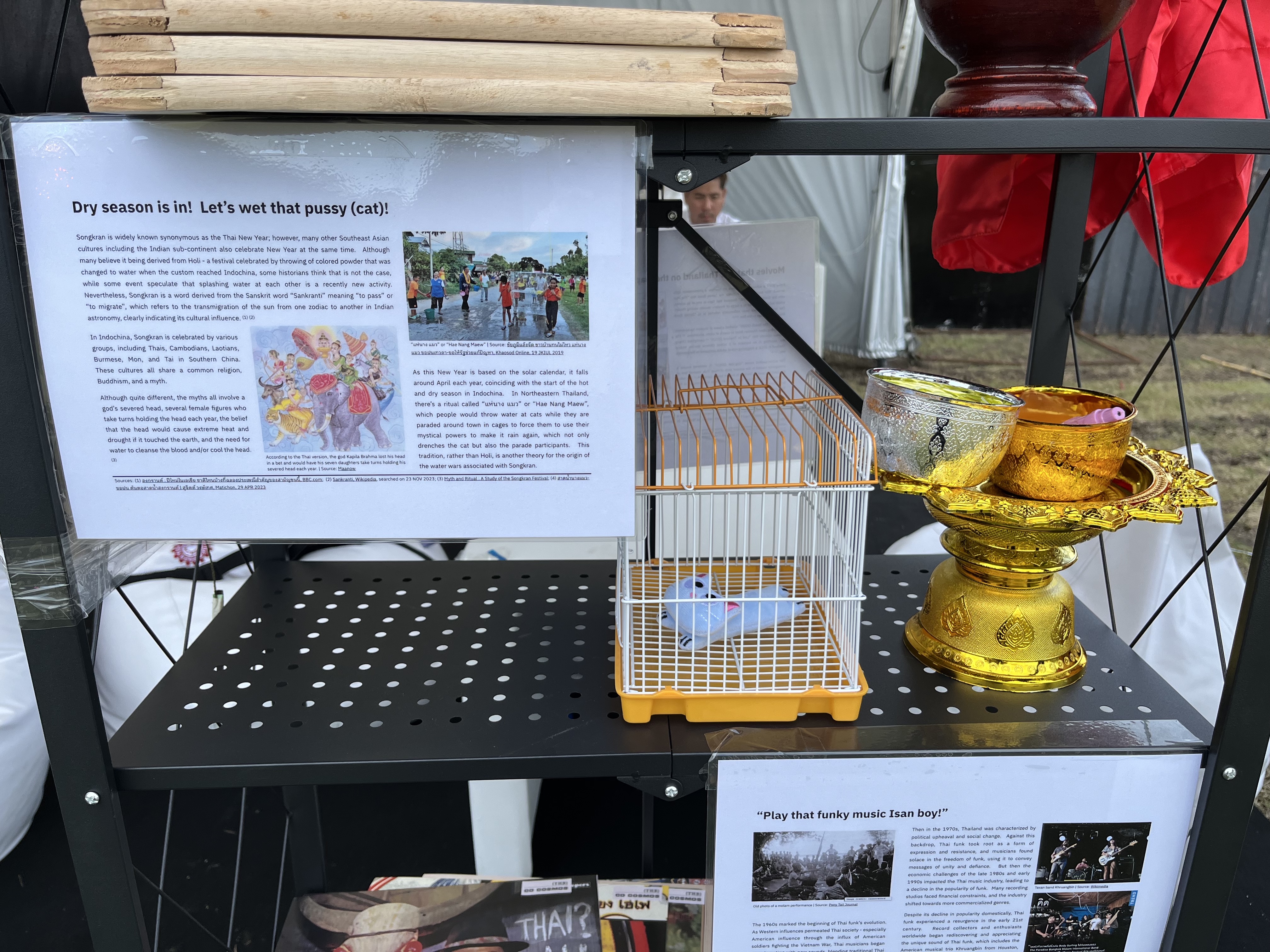
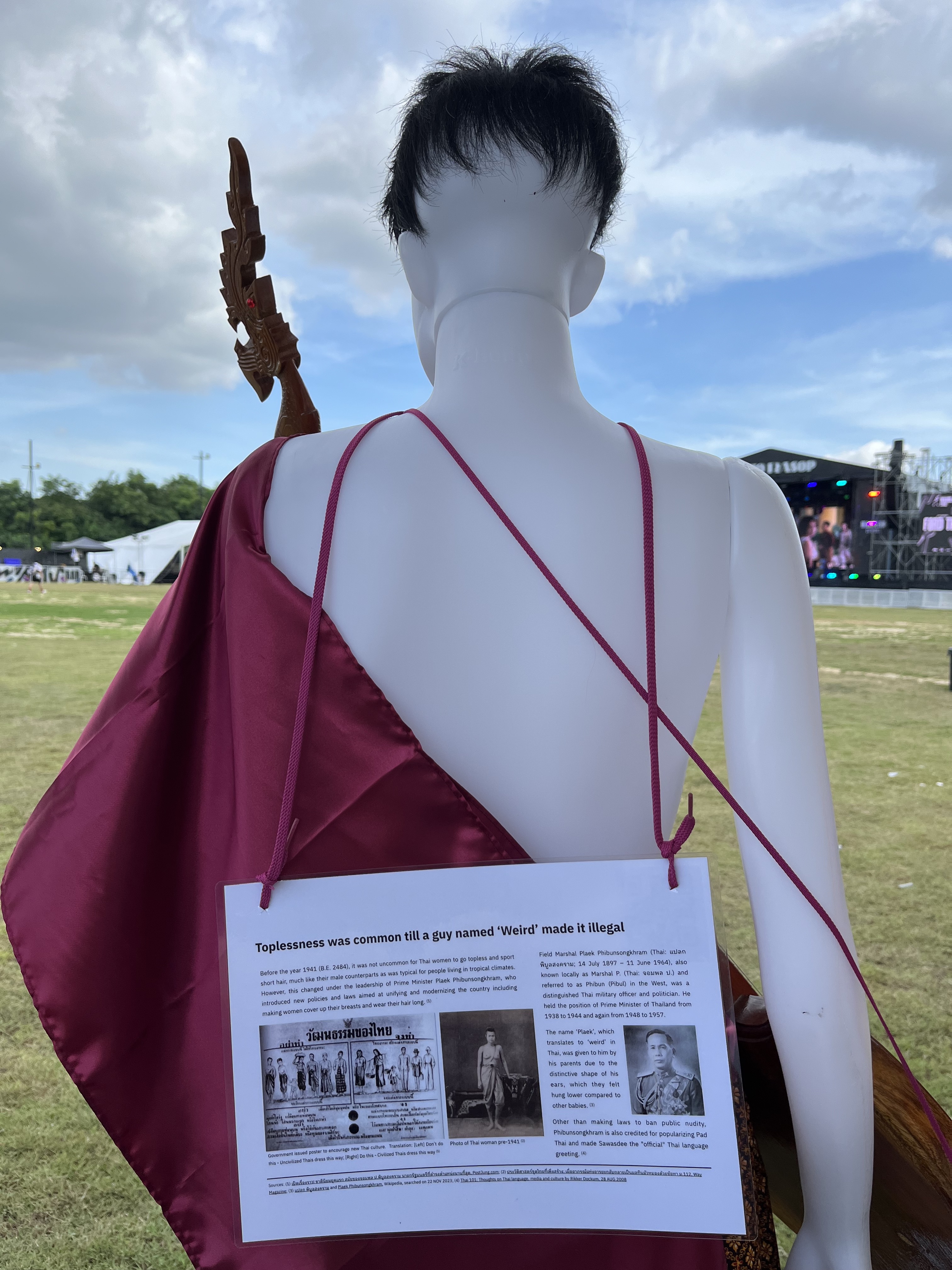
Here’s the knowledge cards I have created for the art exhibition.
Toplessness was common till a guy named ‘Weird’ made it illegal
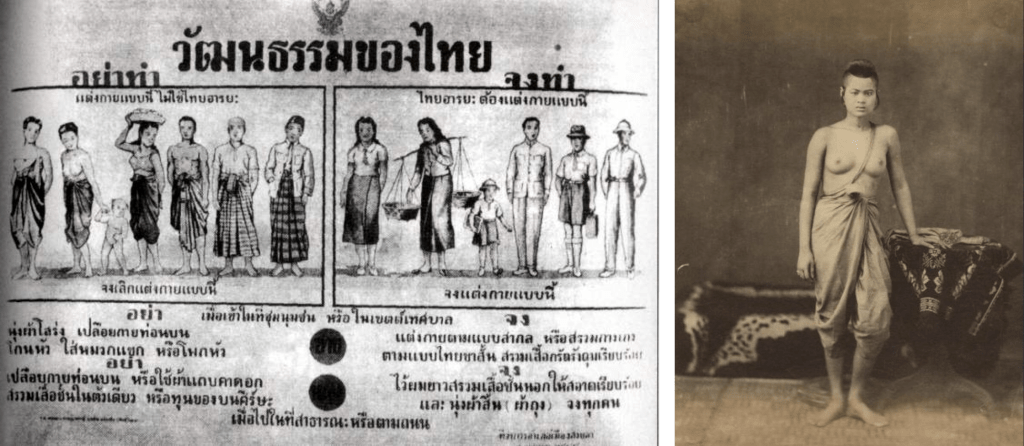
Before the year 1941 (B.E. 2484), it was not uncommon for Thai women to go topless and sport short hair, much like their male counterparts as was typical for people living in tropical climates. However, this changed under the leadership of Prime Minister Plaek Phibunsongkhram, who introduced new policies and laws aimed at unifying and modernizing the country including making women cover up their breasts and wear their hair long.
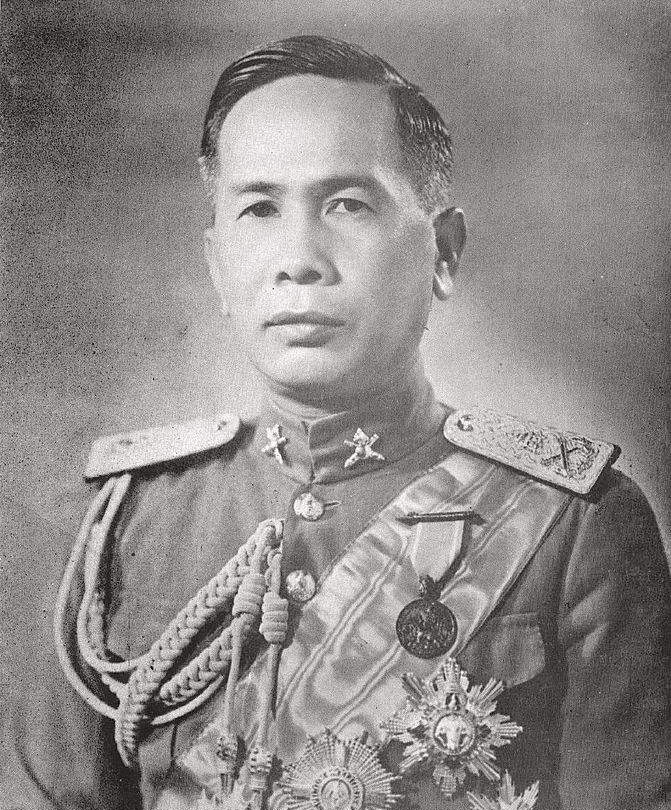
Field Marshal Plaek Phibunsongkhram (Thai: แปลก พิบูลสงคราม; 14 July 1897 – 11 June 1964), also known locally as Marshal P. (Thai: จอมพล ป.) and referred to as Phibun (Pibul) in the West, was a distinguished Thai military officer and politician. He held the position of Prime Minister of Thailand from 1938 to 1944 and again from 1948 to 1957.
The name ‘Plaek’, which translates to ‘weird’ in Thai, was given to him by his parents due to the distinctive shape of his ears, which they felt hung lower compared to other babies. (3)
Other than making laws to ban public nudity, Phibunsongkhram is also credited for popularizing Pad Thai and made Sawasdee the “official” Thai language greeting. (4)
Sources: (1) เปิดเรื่องราว! ชาตินิยมยุคแรก สมัยของจอมพล ป.พิบูลสงคราม นายกรัฐมนตรีที่ดำรงตำแหน่งนานที่สุด, PostJung.com; (2) ประวัติศาสตร์ชุดไทยที่เพิ่งสร้าง: เมื่ออาภรณ์แห่งอารยะกลับกลายเป็นมลทินมัวหมองด้วยข้อหา ม.112, Way Magazine; (3) แปลก พิบูลสงคราม and Plaek Phibunsongkhram, Wikipedia, searched on 22 NOV 2023; (4) Thai 101: Thoughts on Thai language, media and culture by Rikker Dockum, 28 AUG 2008
‘Chut Thai’ as we know it was co-designed by a French couturier
In 1960, King Bhumibol Adulyadej and Queen Sirikit of Thailand embarked on a series of state visits to the United States and fifteen European nations, a journey that spanned seven months. The royal couple was warmly received everywhere they went, with Queen Sirikit’s beauty and elegant style earning widespread praise.
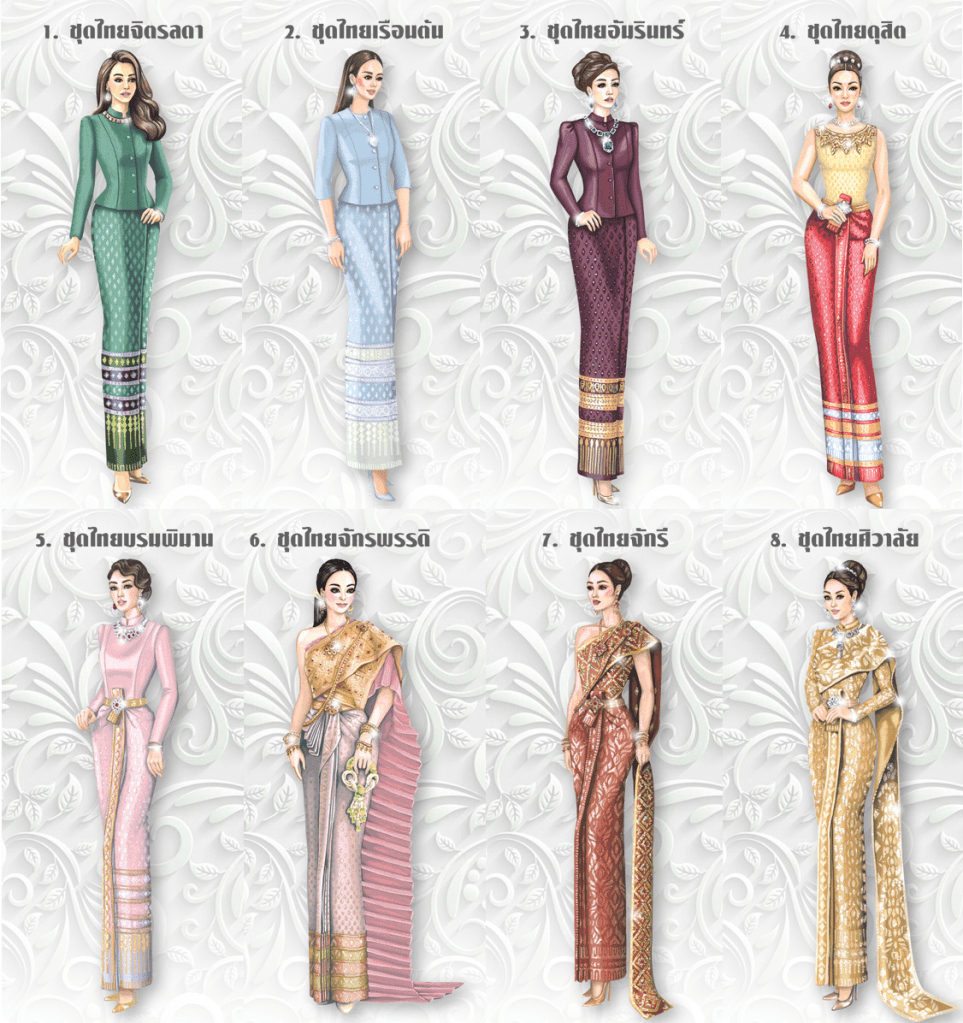
Aware that she would be representing Thailand and Thai women during these visits, Queen Sirikit wanted her wardrobe to reflect not only Western high fashion but also the unique cultural identity of Thailand. However, since the mid-19th century, court dress had become increasingly westernized, and in 1941, a government decree mandated that all Thais wear Western clothing. Consequently, post-war Thailand lacked a national dress comparable to India’s sari or Japan’s kimono; thus, a new national dress would have to be designed.
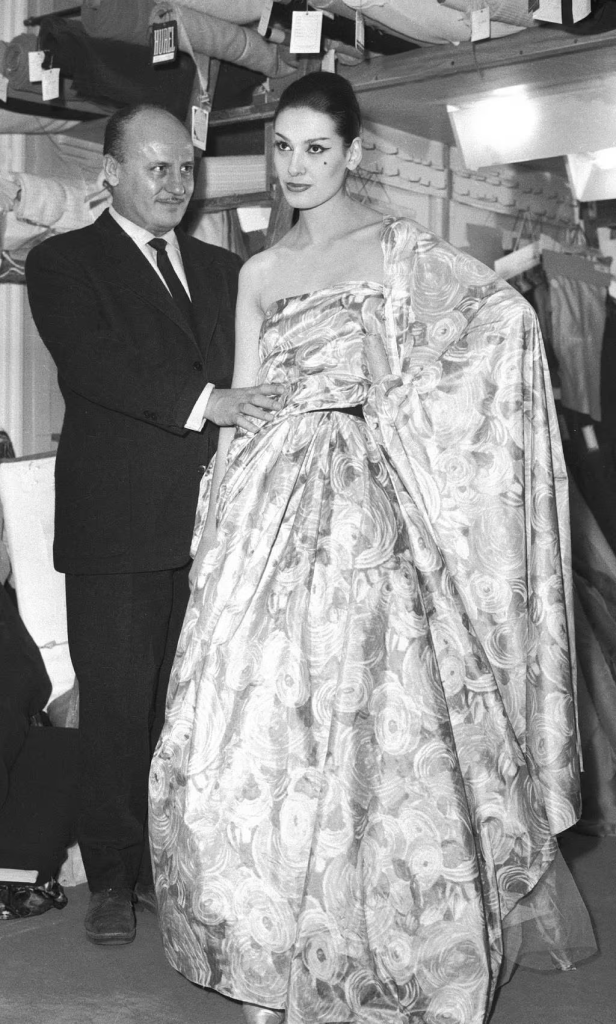
Planning for the tour began almost two years in advance. Queen Sirikit assembled a team of consultants and advisors, which included historians, prominent court ladies, her longtime Thai fashion designer Urai Lueumrung, other local designers, and French couturier Pierre Balmain.
Drawing inspiration from various sources, including existing court textiles and photographs of court women taken between 1850 and 1925, Queen Sirikit and her team created a collection of dresses. These designs were based on the traditional wrapped and draped styles worn by Thai women – hip wrappers (phaa nung) and shoulder cloths (sabai) – but were constructed using Western dressmaking techniques. The outcome was a new national dress that paid homage to the past while embodying a practical, modern Thai identity. (1)
Sources: (1) Fashioning Tradition: Queen Sirikit Creates a National Dress for Thailand, Queen Sirikit Museum of Textiles
Somtam was invented during the Vietnam War?
‘Somtam’, or ‘ส้มตำ’, is a globally renowned spicy salad originating from Thailand. This dish is prepared from shredded green raw papaya, which is pounded with garlic and tomatoes, then mixed with fish sauce, sugar, and a variety of other ingredients. Especially, to achieve that authentic taste, the addition of spicy chili is a must!
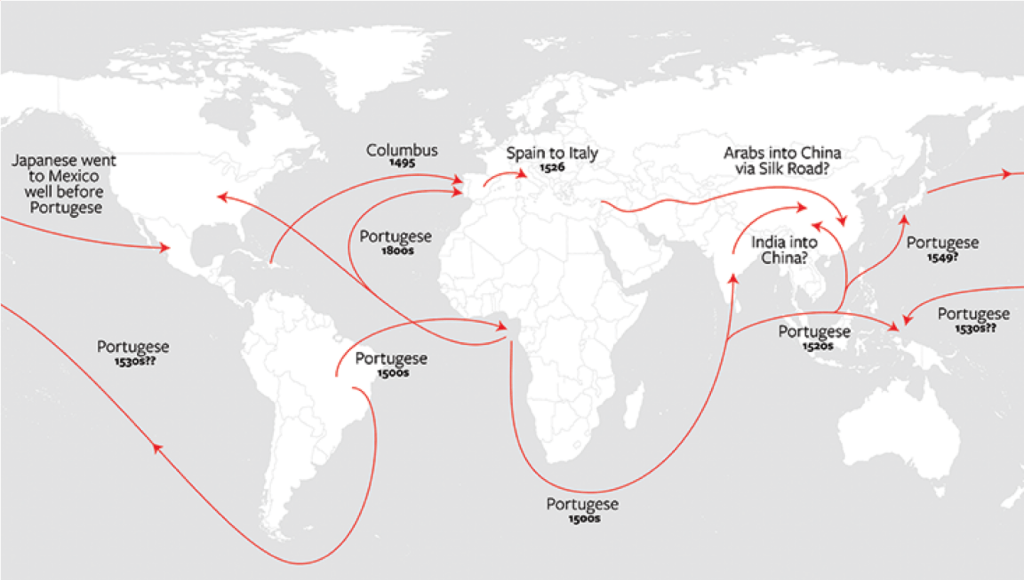
While Thai people are known for their love of chili, it’s interesting to note that they haven’t always consumed such spicy foods. In fact, chili, which is now a staple in Thai cuisine, originated in South America and was only introduced to Southeast Asia in the 1500s by Portuguese traders during the Ayutthaya Kingdom period. (1) Similarly, the papaya is believed to have been introduced to Southeast Asia around the same time by Spanish traders via the Philippines (2) and then the city of Melaka in Malaysia where it may have given the Thai word for papaya – ‘มะละกอ’ (Ma-la-kor). (3)

It is believed that Somtam derived from a Lao and Northeastern Thai dish known as ‘ตำส้ม’ or ‘Tamsom’ characterized by its sour flavor (‘ส้ม’ or ‘som’) and consists of various ingredients that are pounded (‘ตำ’ or ‘tam’) together. The primary ingredient can be anything from raw mango to raw banana or cucumber, but interestingly the papaya variant of this dish, despite being a relatively recent addition, has gained the most recognition. It is believed that the inclusion of papaya in the cuisine dates back to just 50 years ago during the Vietnam War when US soldiers planted papaya along the Mittraphap Road, which served as the main transport route for their weaponry to their military bases in the Northeast, and locals decided to try raw papaya in their Tamsom. (5)
Sources: (1) A BRIEF HISTORY OF CHILI PEPPERS, LegalNomads.com, 17 JAN 2022; (2) Papaya – American Indian Health and Diet Project, Scott Han Sheu; (3) รู้ยัง? มะละกอ มาจากเมือง “มะละกา” แต่แปลว่า “มะขามป้อม”งงไหม ?, MatichonOnline.com, 13 FEB 2017; (4) มะละกอ แหล่งกำเนิด เส้นทางการกระจายพันธุ์, BioThai.net, 4 JAN 2023; (5) ส้มตำทำไมไม่เรียกมะละกอตำ, Guru.Sanook.com, 26 NOV 2013; “มะละกอ” พืชต่างถิ่นเข้าสู่ไทยเมื่อใด? ทำไมคนอีสานเรียกว่า “บักหุ่ง”, Silpa-mag.com
Muay Thai or not Muay Thai – that is the question
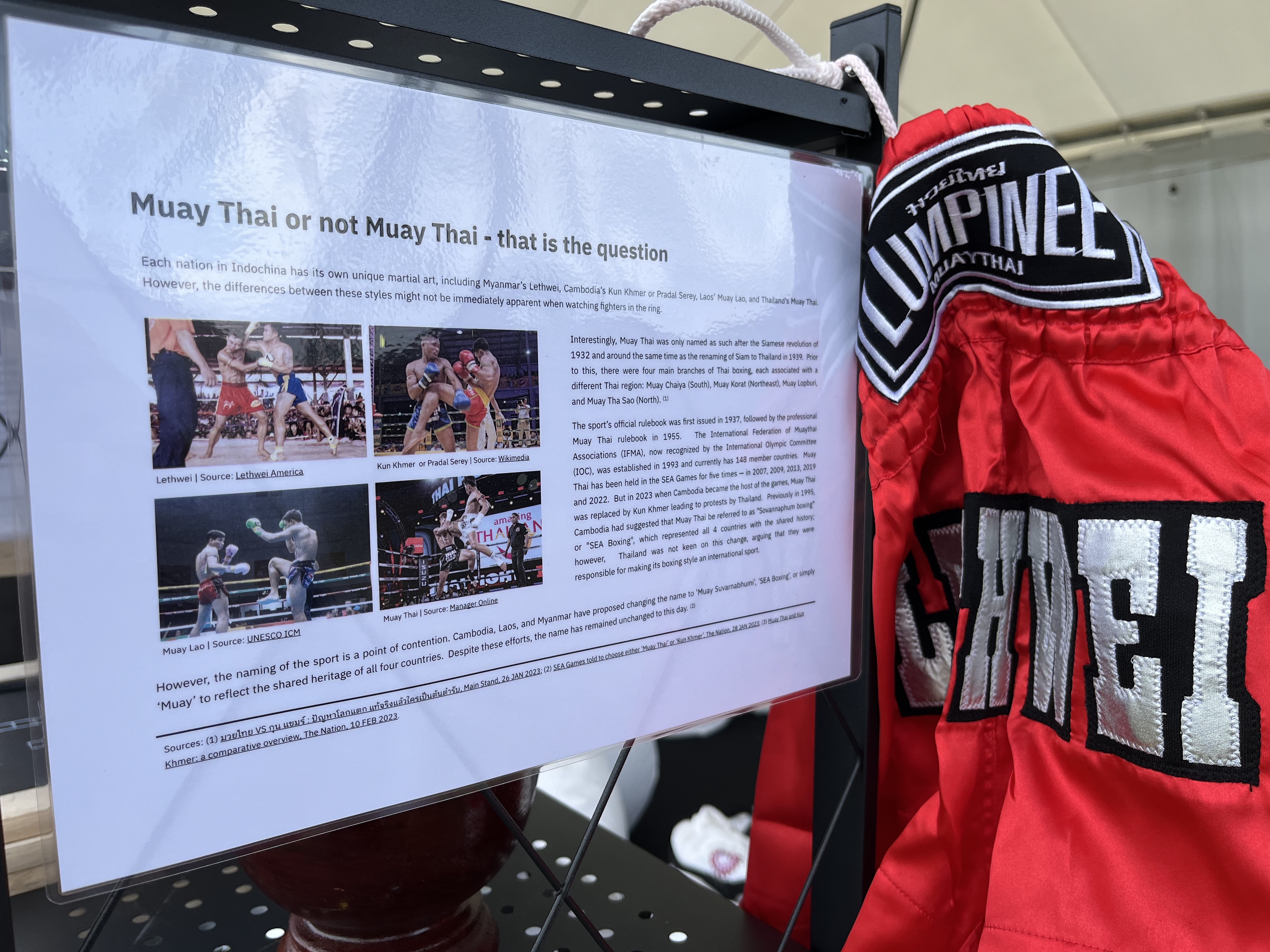
Each nation in Indochina has its own unique martial art, including Myanmar’s Lethwei, Cambodia’s Kun Khmer or Pradal Serey, Laos’ Muay Lao, and Thailand’s Muay Thai. However, the differences between these styles might not be immediately apparent when watching fighters in the ring.
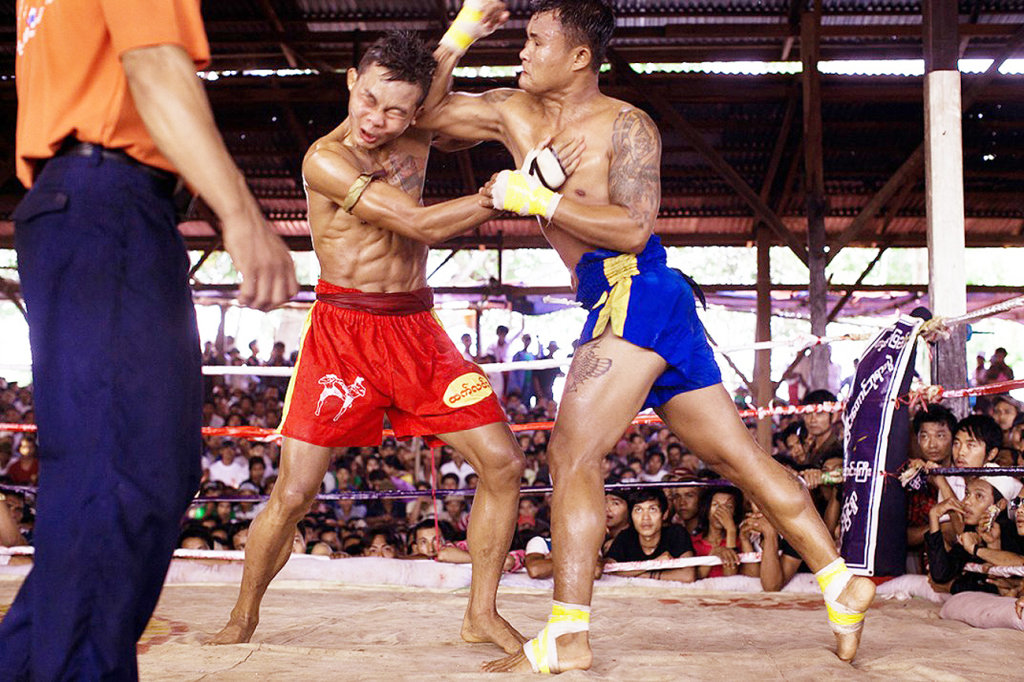
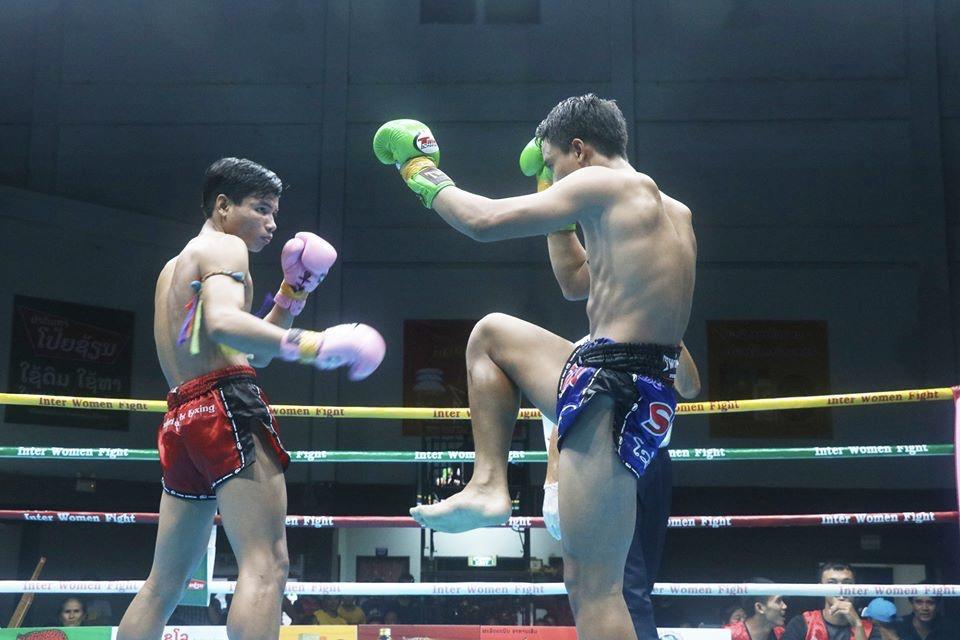
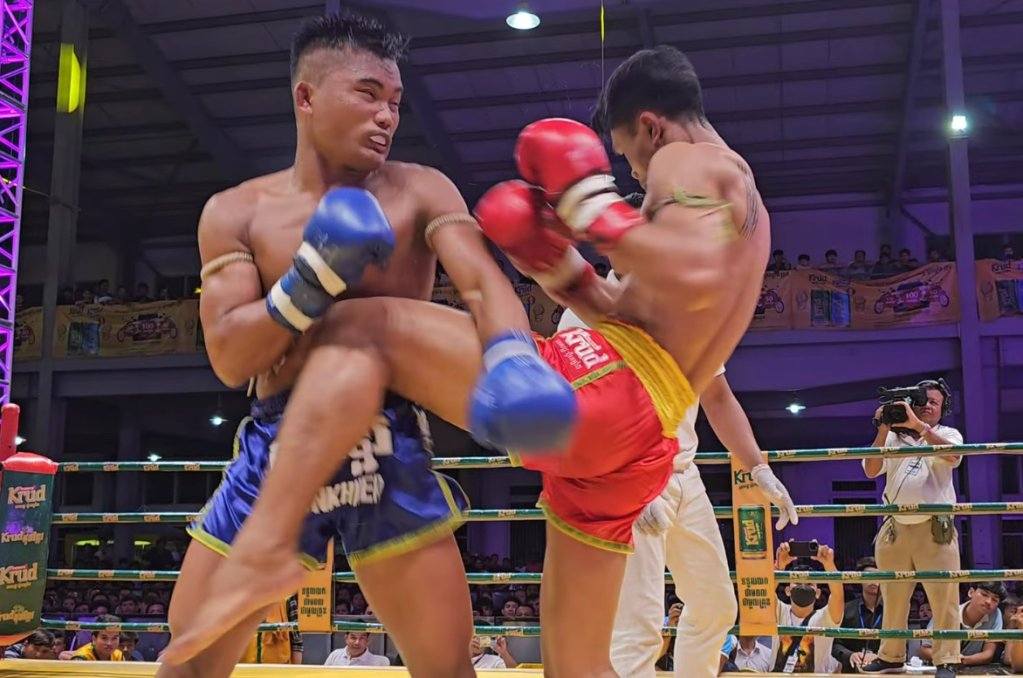
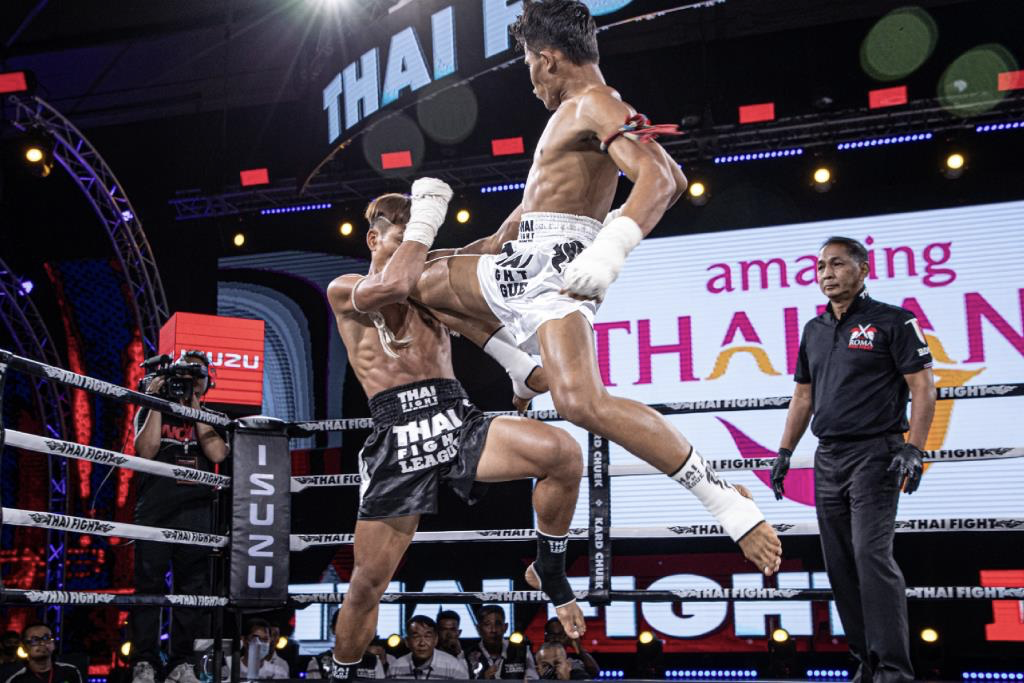
Interestingly, Muay Thai was only named as such after the Siamese revolution of 1932 and around the same time as the renaming of Siam to Thailand in 1939. Prior to this, there were four main branches of Thai boxing, each associated with a different Thai region: Muay Chaiya (South), Muay Korat (Northeast), Muay Lopburi, and Muay Tha Sao (North). (1)
The sport’s official rulebook was first issued in 1937, followed by the professional Muay Thai rulebook in 1955. The International Federation of Muaythai Associations (IFMA), now recognized by the International Olympic Committee (IOC), was established in 1993 and currently has 148 member countries. Muay Thai has been held in the SEA Games for five times — in 2007, 2009, 2013, 2019 and 2022. But in 2023 when Cambodia became the host of the games, Muay Thai was replaced by Kun Khmer leading to protests by Thailand. Previously in 1995, Cambodia had suggested that Muay Thai be referred to as “Sovannaphum boxing” or “SEA Boxing”, which represented all 4 countries with the shared history; however, Thailand was not keen on this change, arguing that they were responsible for making its boxing style an international sport.
However, the naming of the sport is a point of contention. Cambodia, Laos, and Myanmar have proposed changing the name to ‘Muay Suvarnabhumi’, ‘SEA Boxing’, or simply ‘Muay’ to reflect the shared heritage of all four countries. Despite these efforts, the name has remained unchanged to this day. (2)
Sources: (1) มวยไทย VS กุน แขมร์ : ปัญหาโลกแตก แท้จริงแล้วใครเป็นต้นตำรับ, Main Stand, 26 JAN 2023; (2) SEA Games told to choose either ‘Muay Thai’ or ‘Kun Khmer’, The Nation, 28 JAN 2023; (3) Muay Thai and Kun Khmer: a comparative overview, The Nation, 10 FEB 2023.
Movies that put Thailand on the map
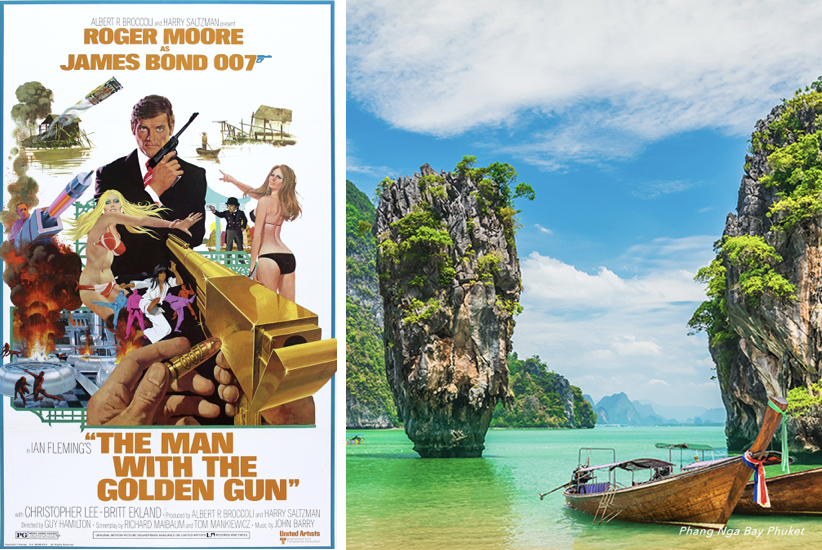
Films exert a substantial influence on tourism, a phenomenon aptly termed “film tourism”. For instance, the James Bond film “The Man with the Golden Gun (1974)” featured Koh Tapu in one of its scenes, which subsequently led to a surge of Western tourists visiting Phuket. The island has since been colloquially referred to as “James Bond Island” in homage to the film. (1) (2)

The Beach (2000) made Koh Phi Phi famous.

Lost In Thailand (2012) made Chiang Mai famous.
Similarly, “The Beach (2000)” sparked a wave of Western backpackers descending upon Khaosan Road in search of exotic adventures. (3) The Chinese comedy film “Lost In Thailand (2012)” (4) spotlighted Chiang Mai, resulting in an increase of 2 million Chinese tourists visiting Thailand in 2013, a staggering rise of 68.8% compared to the previous year. (5) (6)
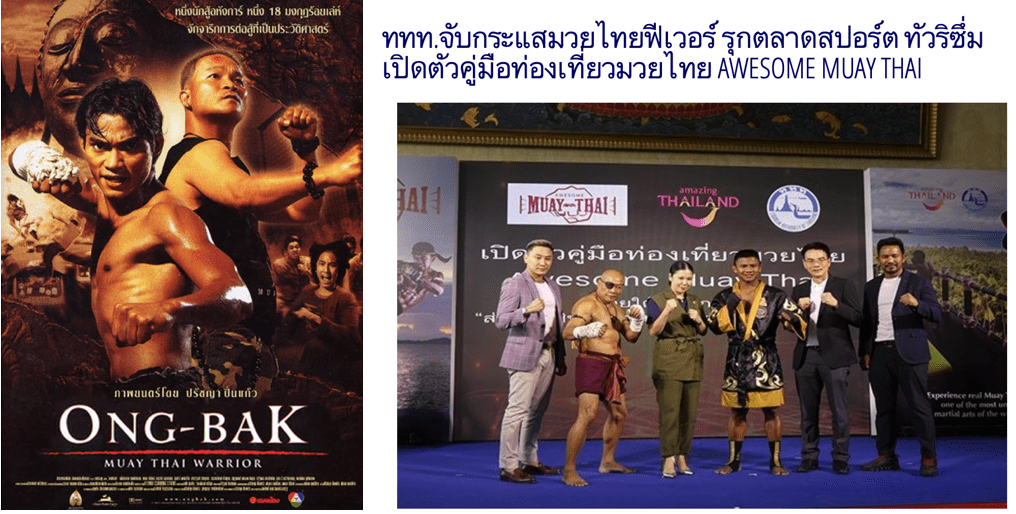
The action-packed movie “Ong-bak (2003)” (7), centered around a protagonist trained in the ancient style of Muay Thai, inspired fans of the sport to travel to Thailand to train in boxing camps. (8) (9) This influx of enthusiasts contributes more than 40 billion baht annually to the local economy, with 18 billion spent by foreigners participating in Muay Thai classes. (10)
While films serve as a source of entertainment for audiences worldwide, they also play a significant role in bolstering the tourism industry of their filming locations. However, it’s important to note that this positive impact doesn’t always reciprocate. Film production involves substantial costs, and its financial success is never a guarantee. The industry would undoubtedly be more sustainable if the profits generated from tourism were reinvested into supporting new filmmakers. This would create a virtuous cycle, enabling the production of more films that could attract future tourists to locations like Thailand. In essence, a more balanced distribution of the industry’s financial success could foster a healthier, more vibrant film industry.
Sources: (1) ภาพยนตร์ต่างประเทศสร้างชื่อให้ประเทศไทยเป็นจุดหมายการท่องเที่ยวที่มากเสน่ห์ประทับใจ, Royal Orchid Plus News; (2) The Man with the Golden Gun, IMDb; (3) The Beach, IMDb; (4) Lost In Thailand, IMDb; (5) นักท่องเที่ยวจีนโต ไทยได้หรือเสีย?, TCJApress.com; (6) การท่องเที่ยวแห่งประเทศไทย (พ.ศ. 2544-2550), กรมการท่องเที่ยว (พ.ศ. 2551-2555), กระทรวงการท่องเที่ยว (พ.ศ. 2557); (7) Ong-bak, IMDb; (8) ททท.จับกระแสมวยไทยฟีเวอร์ รุกตลาดสปอร์ต ทัวริซึ่ม เปิดตัวคู่มือท่องเที่ยวมวยไทย AWESOME MUAY THAI; (9) จับติ้วไทยไฟต์ 2012 บัวขาว ชน นักชกญี่ปุ่น 25 พ.ย. นี้, Kapook; (10) Soft power panel promotes Muay Thai, Bangkok Post, 4 NOV 2023
Dry season is in! Let’s wet that pussy (cat)!
Songkran is widely known synonymous as the Thai New Year; however, many other Southeast Asian cultures including the Indian sub-continent also celebrate New Year at the same time. Although many believe it being derived from Holi – a festival celebrated by throwing of colored powder that was changed to water when the custom reached Indochina, some historians think that is not the case, while some event speculate that splashing water at each other is a recently new activity. Nevertheless, Songkran is a word derived from the Sanskrit word “Sankranti” meaning “to pass” or “to migrate”, which refers to the transmigration of the sun from one zodiac to another in Indian astronomy, clearly indicating its cultural influence. (1) (2)
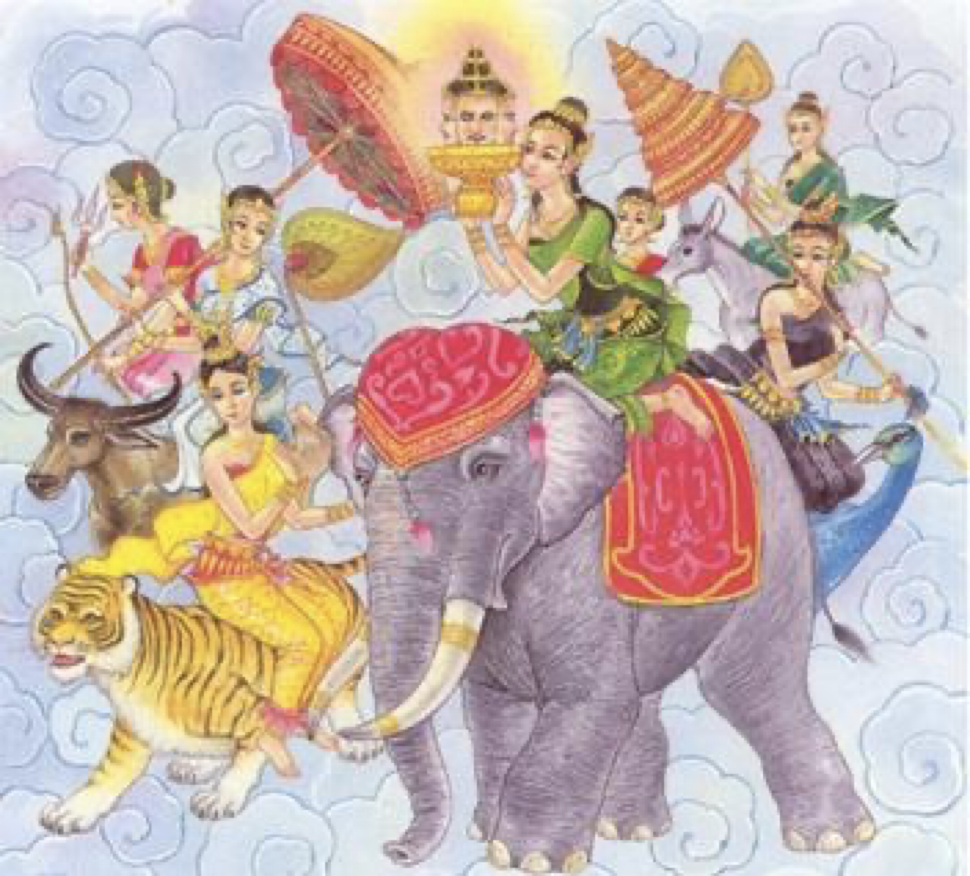
In Indochina, Songkran is celebrated by various groups, including Thais, Cambodians, Laotians, Burmese, Mon, and Tai in Southern China. These cultures all share a common religion, Buddhism, and a myth.
Although quite different, the myths all involve a god’s severed head, several female figures who take turns holding the head each year, the belief that the head would cause extreme heat and drought if it touched the earth, and the need for water to cleanse the blood and/or cool the head. (3)
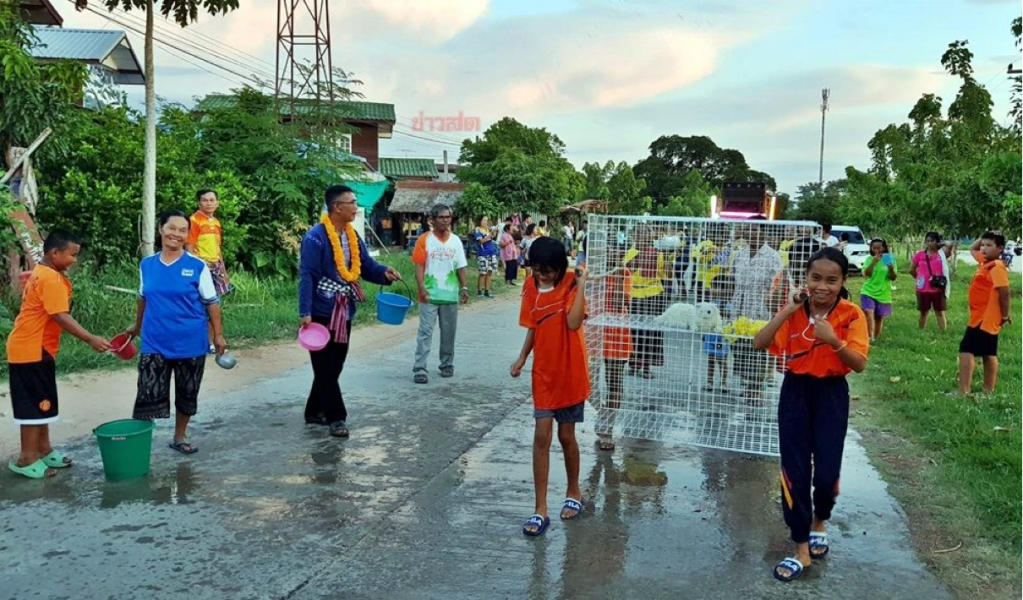
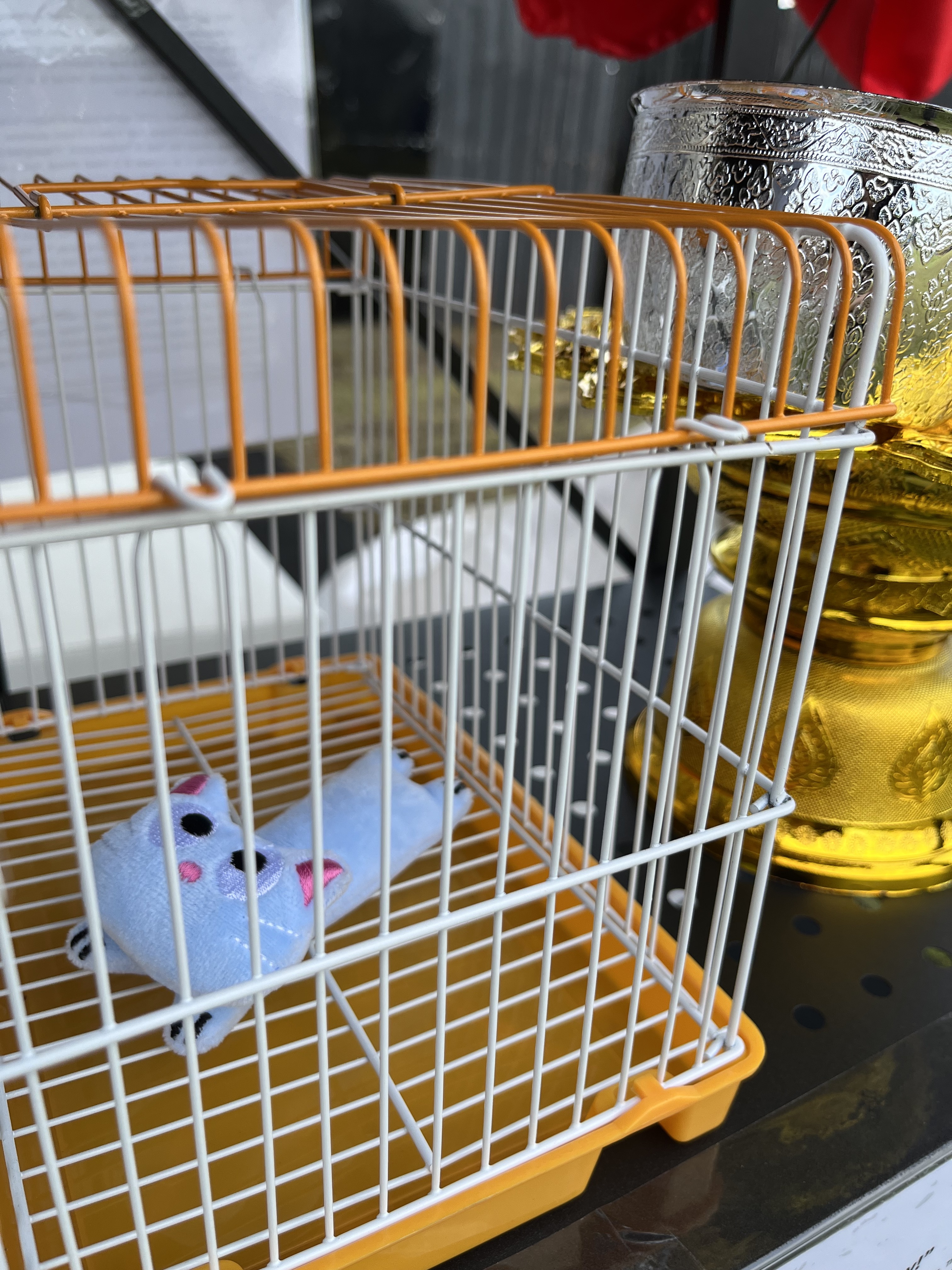
As this New Year is based on the solar calendar, it falls around April each year, coinciding with the start of the hot and dry season in Indochina. In Northeastern Thailand, there’s a ritual called “แห่นาง แมว” or “Hae Nang Maew”, which people would throw water at cats while they are paraded around town in cages to force them to use their mystical powers to make it rain again, which not only drenches the cat but also the parade participants. This tradition, rather than Holi, is another theory for the origin of the water wars associated with Songkran.
Sources: (1) สงกรานต์ : ปีใหม่ในเอเชีย ชาติไหนบ้างที่ฉลองประเพณีสำคัญของสามัญชนนี้, BBC.com; (2) Sankranti, Wikipedia, searched on 23 NOV 2023; (3) Myth and Ritual : A Study of the Songkran Festival; (4) สาดน้ำนางแมว-ขอฝน ต้นตอสาดน้ำสงกรานต์ | สุจิตต์ วงษ์เทศ, Matichon, 29 APR 2023
“I love Mueang Thai, I like Patpong!” (1)
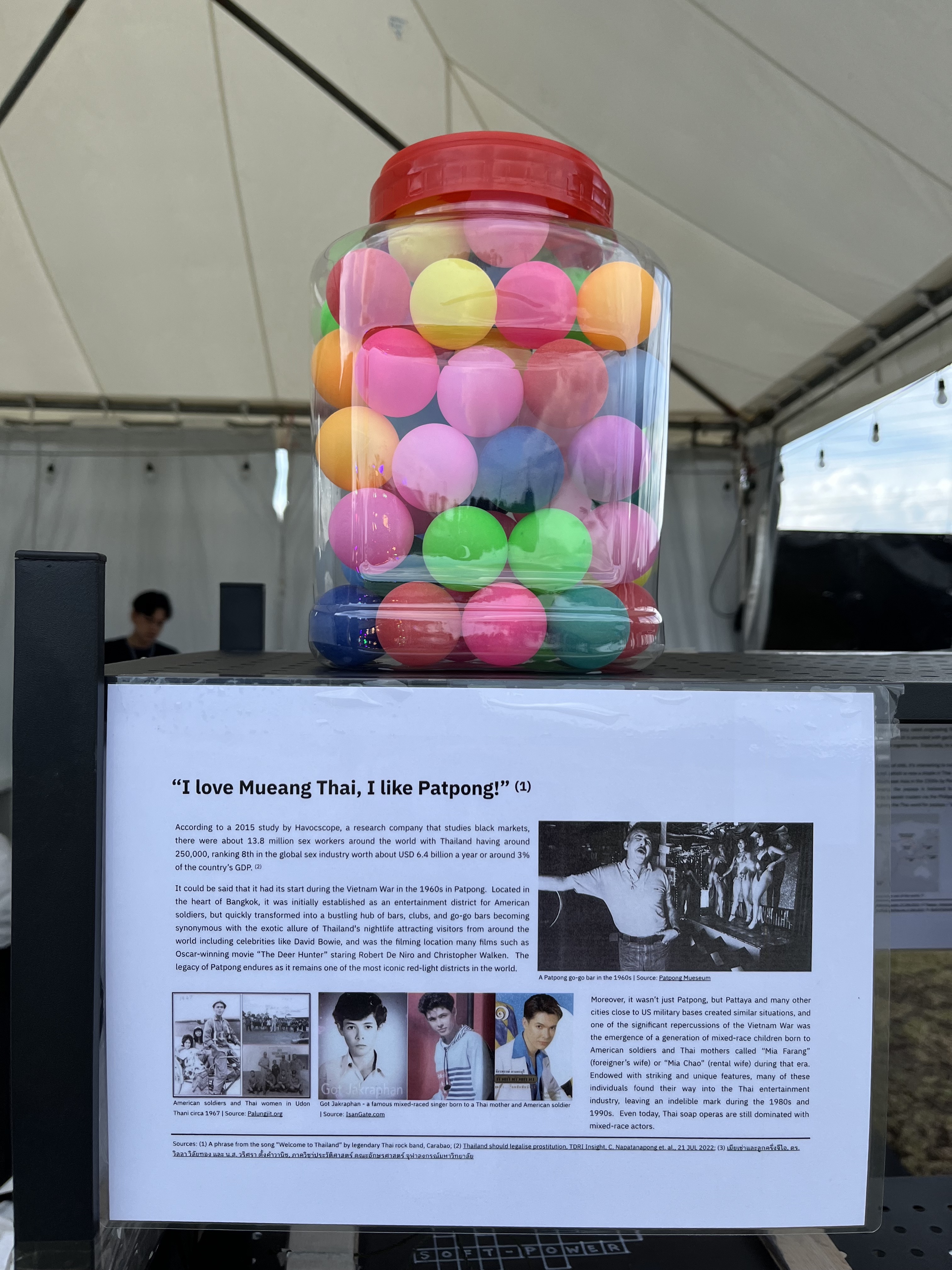
According to a 2015 study by Havocscope, a research company that studies black markets, there were about 13.8 million sex workers around the world with Thailand having around 250,000, ranking 8th in the global sex industry worth about USD 6.4 billion a year or around 3% of the country’s GDP. (2)
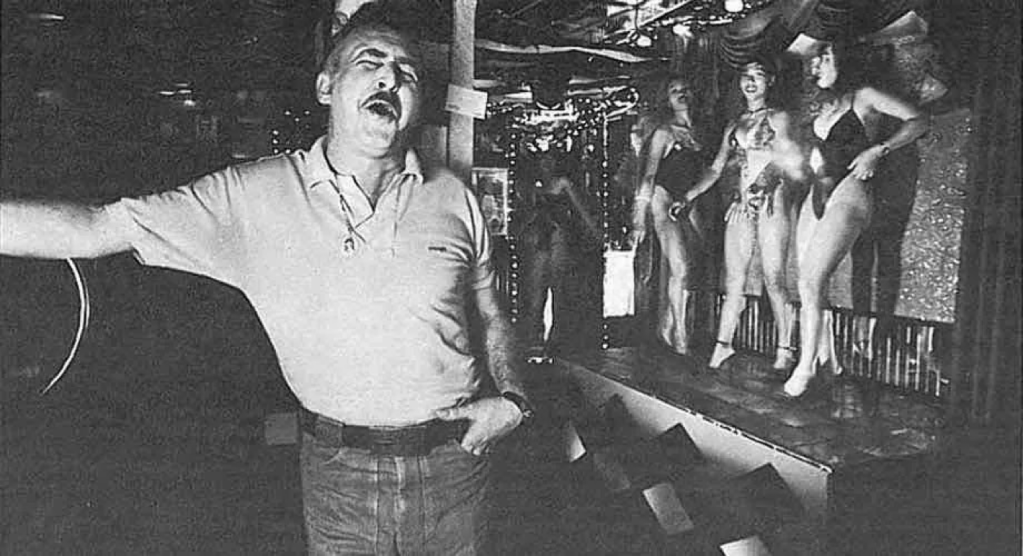
It could be said that it had its start during the Vietnam War in the 1960s in Patpong. Located in the heart of Bangkok, it was initially established as an entertainment district for American soldiers, but quickly transformed into a bustling hub of bars, clubs, and go-go bars becoming synonymous with the exotic allure of Thailand’s nightlife attracting visitors from around the world including celebrities like David Bowie, and was the filming location many films such as Oscar-winning movie “The Deer Hunter” staring Robert De Niro and Christopher Walken. The legacy of Patpong endures as it remains one of the most iconic red-light districts in the world.
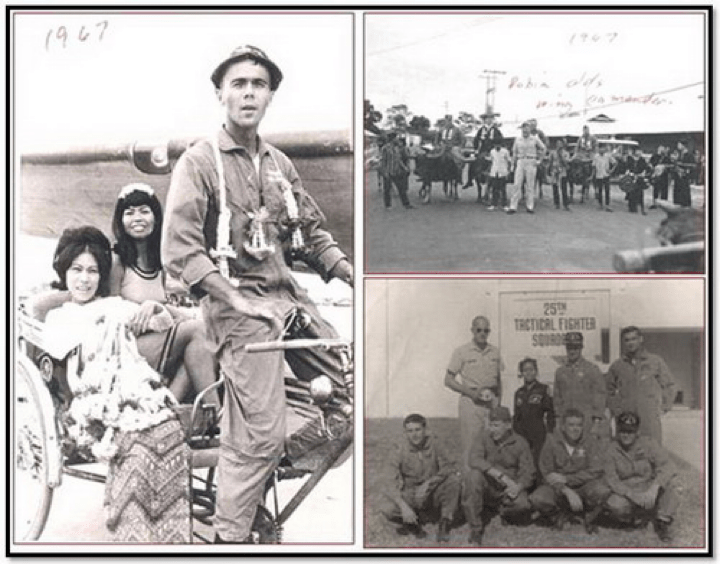
Moreover, it wasn’t just Patpong, but Pattaya and many other cities close to US military bases created similar situations, and one of the significant repercussions of the Vietnam War was the emergence of a generation of mixed-race children born to American soldiers and Thai mothers called “Mia Farang” (foreigner’s wife) or “Mia Chao” (rental wife) during that era.
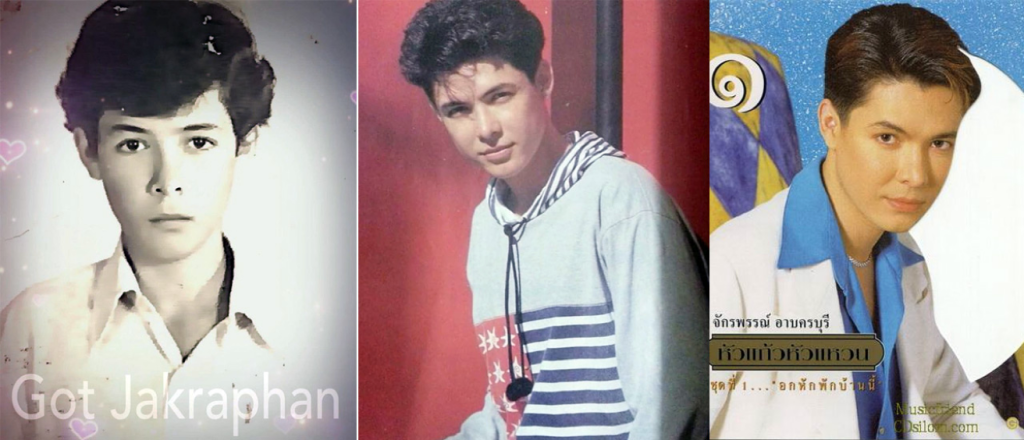
Endowed with striking and unique features, many of these individuals found their way into the Thai entertainment industry, leaving an indelible mark during the 1980s and 1990s. Even today, Thai soap operas are still dominated with mixed-race actors.
Sources: (1) A phrase from the song “Welcome to Thailand” by legendary Thai rock band, Carabao; (2) Thailand should legalise prostitution, TDRI Insight, C. Napatanapong et. al., 21 JUL 2022; (3) เมียเช่าและลูกครึ่งจีไอ, ดร. วิลลา วิลัยทอง และ น.ส. วริศรา ตั้งค้าวานิช, ภาควิชา่ประวัติศาสตร์ คณะอักษรศาสตร์ จุฬาลงกรณ์มหาวิทยาลัย
“Play that funky music Isan boy!”
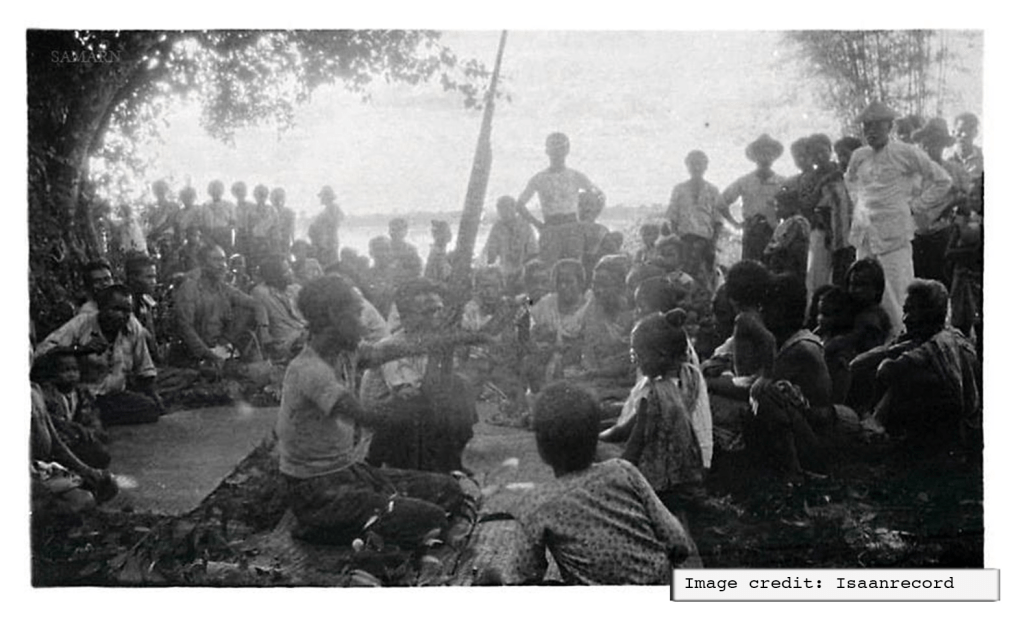
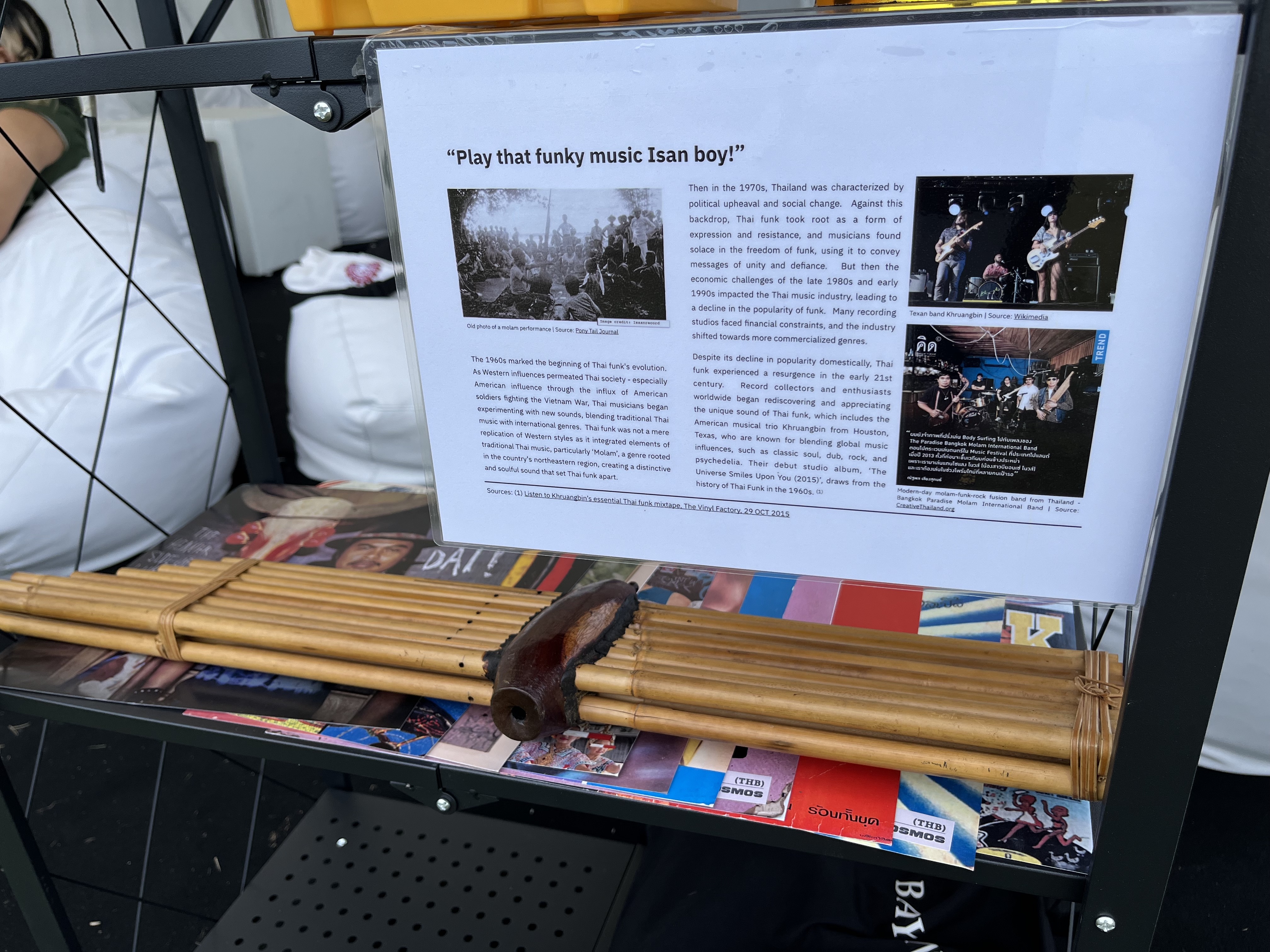
The 1960s marked the beginning of Thai funk’s evolution. As Western influences permeated Thai society – especially American influence through the influx of American soldiers fighting the Vietnam War, Thai musicians began experimenting with new sounds, blending traditional Thai music with international genres. Thai funk was not a mere replication of Western styles as it integrated elements of traditional Thai music, particularly ‘Molam’, a genre rooted in the country’s northeastern region, creating a distinctive and soulful sound that set Thai funk apart.
Then in the 1970s, Thailand was characterized by political upheaval and social change. Against this backdrop, Thai funk took root as a form of expression and resistance, and musicians found solace in the freedom of funk, using it to convey messages of unity and defiance. But then the economic challenges of the late 1980s and early 1990s impacted the Thai music industry, leading to a decline in the popularity of funk. Many recording studios faced financial constraints, and the industry shifted towards more commercialized genres.


Despite its decline in popularity domestically, Thai funk experienced a resurgence in the early 21st century. Record collectors and enthusiasts worldwide began rediscovering and appreciating the unique sound of Thai funk, which includes the American musical trio Khruangbin from Houston, Texas, who are known for blending global music influences, such as classic soul, dub, rock, and psychedelia. Their debut studio album, ‘The Universe Smiles Upon You (2015)’, draws from the history of Thai Funk in the 1960s. (1)
Sources: (1) Listen to Khruangbin’s essential Thai funk mixtape, The Vinyl Factory, 29 OCT 2015
No more FOMO! Here’s OFOS! WTF is it? IJBOL!
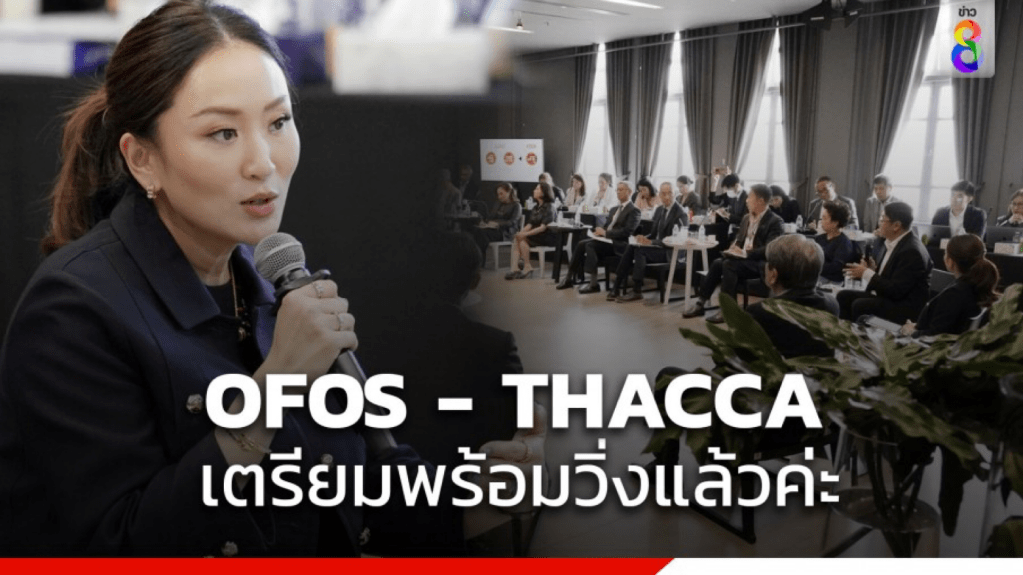
The “One Family, One Soft Power” (OFOS) policy is an initiative introduced by the new government of Thailand, led by Prime Minister Srettha Thavisin of the Pheu Thai Party. This policy aims promote Thailand’s soft power by encouraging each family to enhance the skills of at least one of its members by offering free training programs and workshops in subjects including art, music, sports, etc. Once a substantial number of skilled individuals have emerged, the government will work towards creating 20 million job opportunities to support this skilled workforce whom would each earn an annual income of at least THB 200,000. However, the specific department set to take responsibility for this campaign will be the Thailand Creative Content Agency (THACCA), which won’t be established till around 2025. (1)
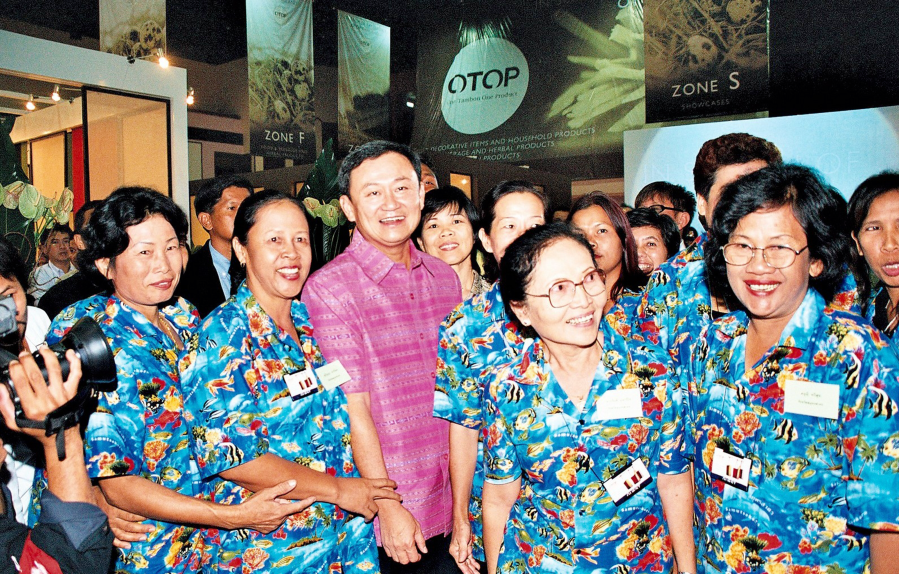
Thaksin Shinawatra established OTOP in 2003 | Source: Thaksin Official
The OFOS policy applies to the core of the former campaign, “One Tambon, One Product” (OTOP), launched by the former Prime Minister and founder of the Pheu Thai Party – Thaksin Shinawatra that encouraged residents in each sub-district (Tambon) of the country to collaborate and produce their own unique products. As of today, the current chairperson of the National Soft Power Strategy Committee spearheading OFOS is Ms. Paetongtarn Shinawatra – Mr. Shinawatra’s own daughter, showing the strong linkage between the two policies.
Nevertheless, the naming of OFOS did confuse quite a lot of people and received harsh criticism. (2)
Sources: (1) One Family, One Soft Power policy introduced to promote Thailand’s soft power, Thaiger, 7 SEP 2023; (2) แพทองธาร ตื่นเต้น คุยทีมซอฟต์เพาเวอร์นัดแรก เชื่อ OFOS – THACCA ทำได้ไม่ยาก, Channel 8, 12 SEP 2023; (3) ดราม่าเรื่องซอฟต์เพาเวอร์ ตามนโยบาย OFOS ของพรรคเพื่อไทยและกระทรวงวัฒนธรรม, Matichon Weekly, 22 SEP 2023
Crossword Puzzle
Included in the art exhibition was a crossword puzzle. How many F-words could you find from reading this article to fill up this crossword puzzle? ^_^
Conclusion
In my personal opinion, culture isn’t created in a vacuum, and Thailand is a melting pot of different peoples who blend and build new innovative cultures to call its own; however, ideology and nationalism can blind people from knowing and understanding this fact.
I don’t know if my art exhibition rustled any feathers or not as the discussion about what is ‘Thai’ or ‘not Thai’ can become quite a heated debate. But I do hope that it can help start a conversation of how we should look at culture, and also re-think about preserving the old and supporting the new to keep a living culture that adapts to an ever changing world.
And to close this article off – like Sesame Street, this article was brought to you by the letter F!
 Py Piyapong

